



Try it for free and see how you can learn how to distinguish

With every purchase in
Try it for free and see how you can learn how to distinguish
With every purchase in
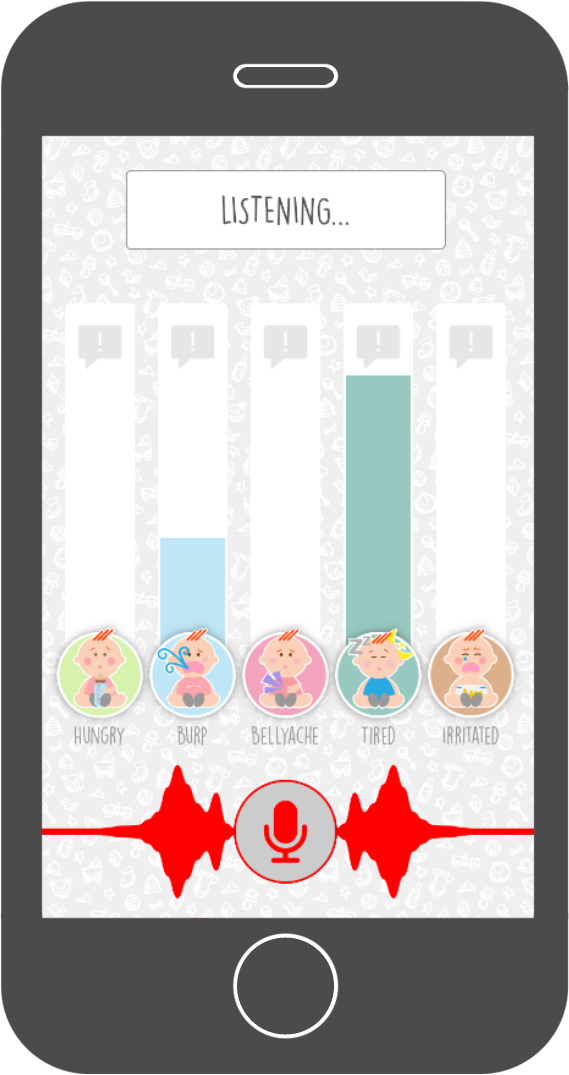
The Baby Language app teaches you the ability to distinguish different types of baby cries yourself. It comes with a support tool to help you in the first period when learning to distinguish baby cries. It points you in the right direction by real-time distinguishing baby cries and translating them into understandable language.
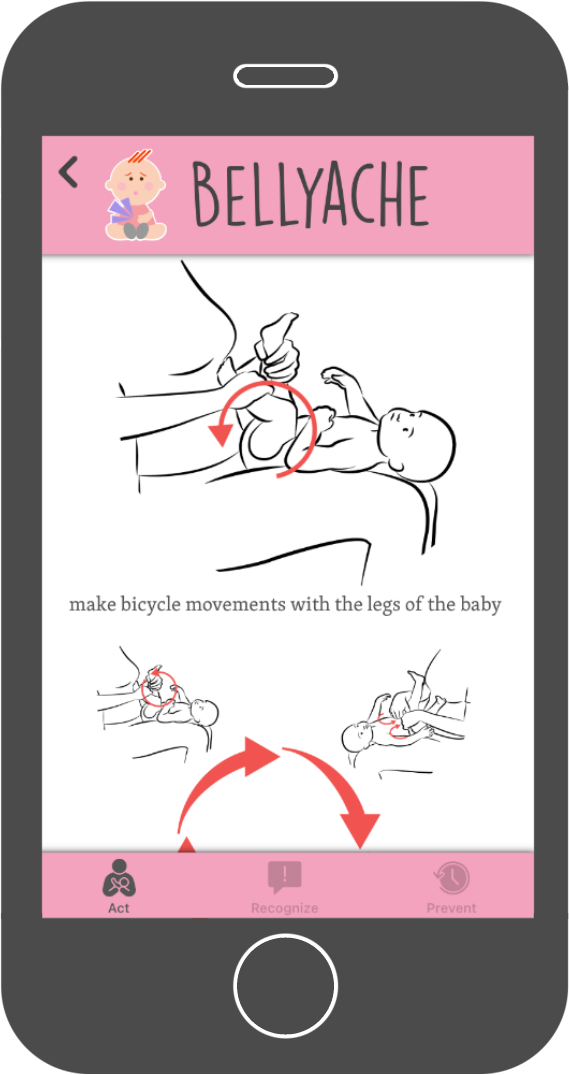 The Baby Language app shows you many different ways on how to handle each specific cry. It provides you with lots of information and illustrations on how to prevent or reduce all different kind of cries.
After setting override, Win+Space still cycles through layouts. Explanation: The override only sets the initial layout per window. You can still switch manually. If you don't want other layouts available at all, remove them from the language list entirely.
HKEY_CURRENT_USER\Control Panel\Input Method Value name: "Override Default Input Method" Value data: e.g., "0409:00000409" (for English US) You can find the correct hex string for any layout by running Get-WinUserLanguageList in PowerShell and looking at the InputMethodTips property. | Setting | Behavior | |---------|----------| | No override (default) | Each app remembers its own last used input method. | | Override set to Layout X | Every app resets to Layout X whenever it gets focus. | Final Verdict: Use the override if you want a simple, predictable, single-keyboard experience across all apps. Avoid it if you need per-app language memory or use complex IMEs. For most typical users (one language, one keyboard), setting the override to your only layout is harmless and can prevent weird layout surprises.
The override breaks touch keyboard or handwriting. Explanation: Some touch input methods are treated separately. The override applies mainly to physical keyboard layouts. Touch keyboard behavior is controlled elsewhere. Registry Location (for advanced users) If you prefer registry editing, the override setting is stored here:

Founder and Developer

UI/UX Designer

Dutch translator
and coordinator

Webdesigner If you don't want other layouts available at

Spanish translator

French translator

Italian translator | | Override set to Layout X |

German translator

Indonesian translator

Portuguese translator the override setting is stored here:

Russian translator

3D Graphic artist

Arabic translator

Magazine
Thanks to Baby Language I really got to know my child better. I now know how to find out what is bothering him and more important; How to prevent his inconveniences. He hardly cries

Technology News Website
Baby Language one of the must have
if you are a parent with small
TechWibe
After setting override, Win+Space still cycles through layouts. Explanation: The override only sets the initial layout per window. You can still switch manually. If you don't want other layouts available at all, remove them from the language list entirely.
HKEY_CURRENT_USER\Control Panel\Input Method Value name: "Override Default Input Method" Value data: e.g., "0409:00000409" (for English US) You can find the correct hex string for any layout by running Get-WinUserLanguageList in PowerShell and looking at the InputMethodTips property. | Setting | Behavior | |---------|----------| | No override (default) | Each app remembers its own last used input method. | | Override set to Layout X | Every app resets to Layout X whenever it gets focus. | Final Verdict: Use the override if you want a simple, predictable, single-keyboard experience across all apps. Avoid it if you need per-app language memory or use complex IMEs. For most typical users (one language, one keyboard), setting the override to your only layout is harmless and can prevent weird layout surprises.
The override breaks touch keyboard or handwriting. Explanation: Some touch input methods are treated separately. The override applies mainly to physical keyboard layouts. Touch keyboard behavior is controlled elsewhere. Registry Location (for advanced users) If you prefer registry editing, the override setting is stored here: