Best Things To Do In Siesta Key [hot] -
Easter Island
July 11th, 2010


|
Best Things To Do In Siesta Key [hot] -Easter IslandJuly 11th, 2010 |
|
| 2010-07-11 18:26 UTC | Click images for reduced size. |
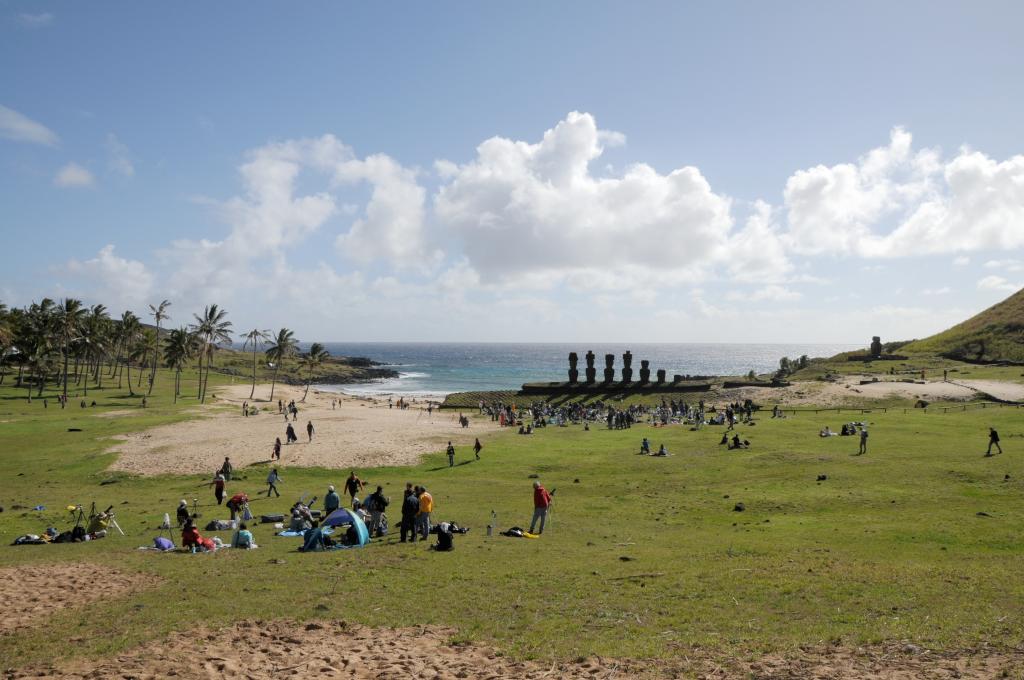
After the site survey, we selected this location to view the eclipse. It would permit wide angle photography of totality directly above the moai, and had as good a chance as any other site on the island of clear weather. We had to shift our site a few metres to the side at the request of some seriously equipped photographers uphill of us who were recording a time-lapse sequence of the entire eclipse: glad to oblige.
| 2010-07-11 16:27 UTC |
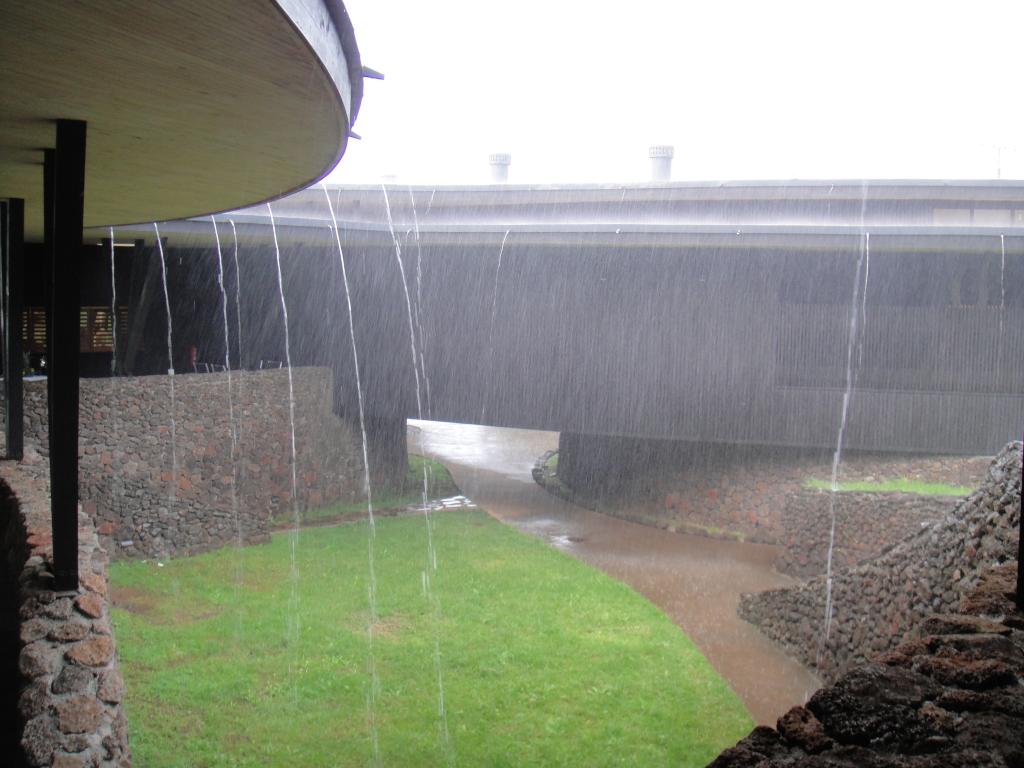
Eclipse morning dawned beautifully, but then, as Easter Island is wont to, went all “variable”, including this downpour as we were getting ready to saddle up to head for the eclipse site.
| 2010-07-11 17:46 UTC |
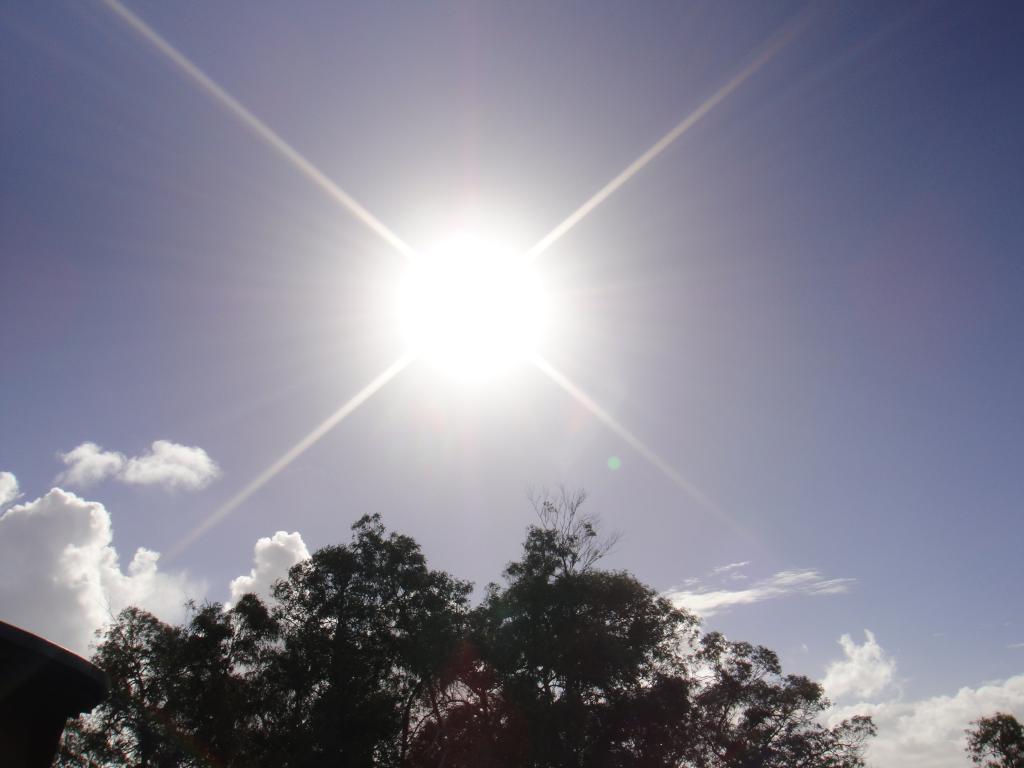
But not to worry! If you don't like the weather, wait fifteen minutes! Or, in this case, shortly before we departed for the eclipse viewing site.
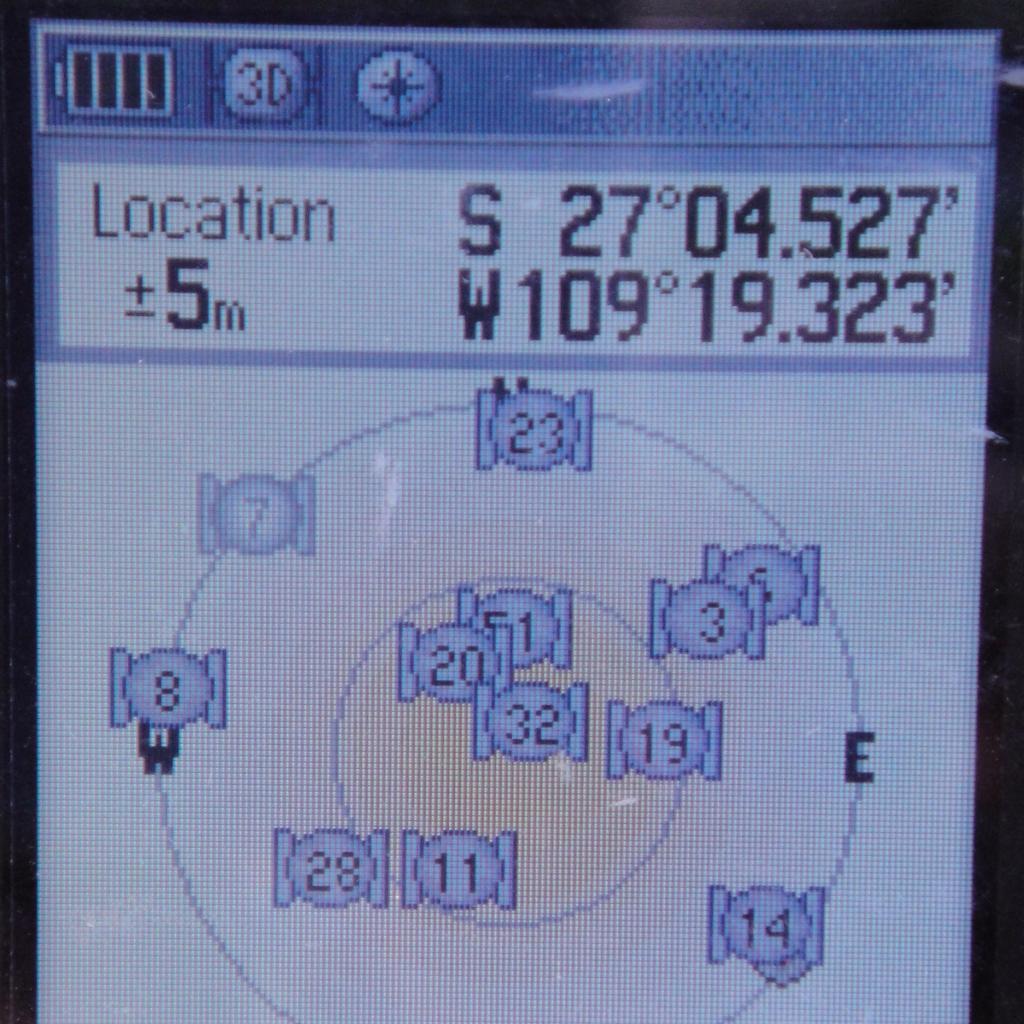
| 2010-07-11 19:32 UTC |
This is where we were.
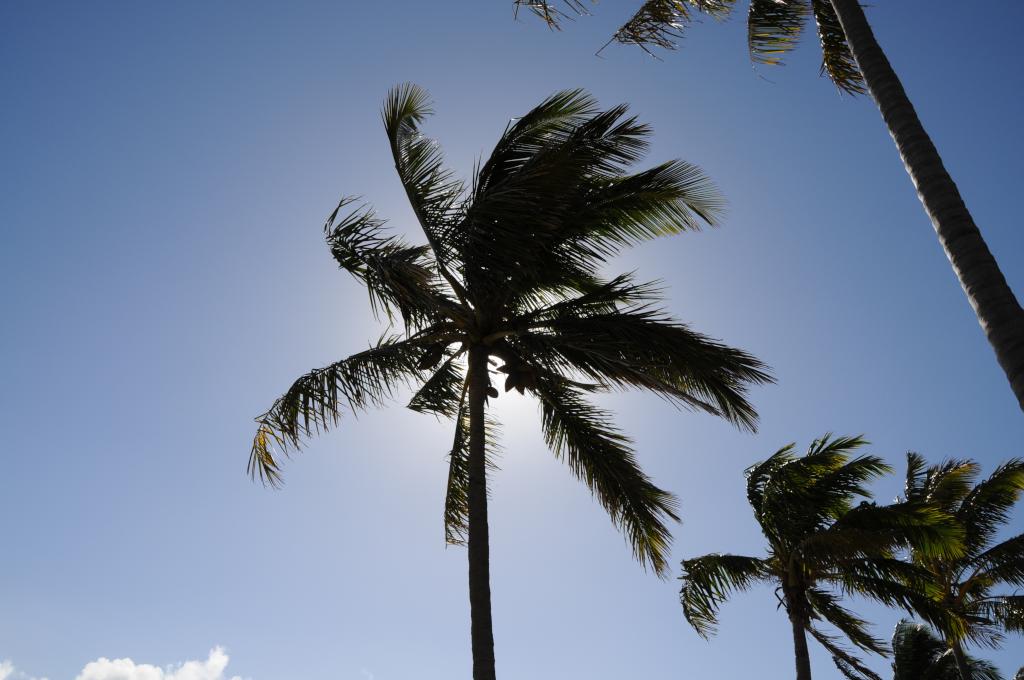
| 2010-07-11 18:26 UTC |
We'd carefully plotted the course of the Sun to be above the moai at totality, so we weren't worried when the Sun was behind the palm tree just before first contact. In fact, it made for a pretty nice shot. It was windy at the start of the eclipse, but the breeze abated as totality approached.
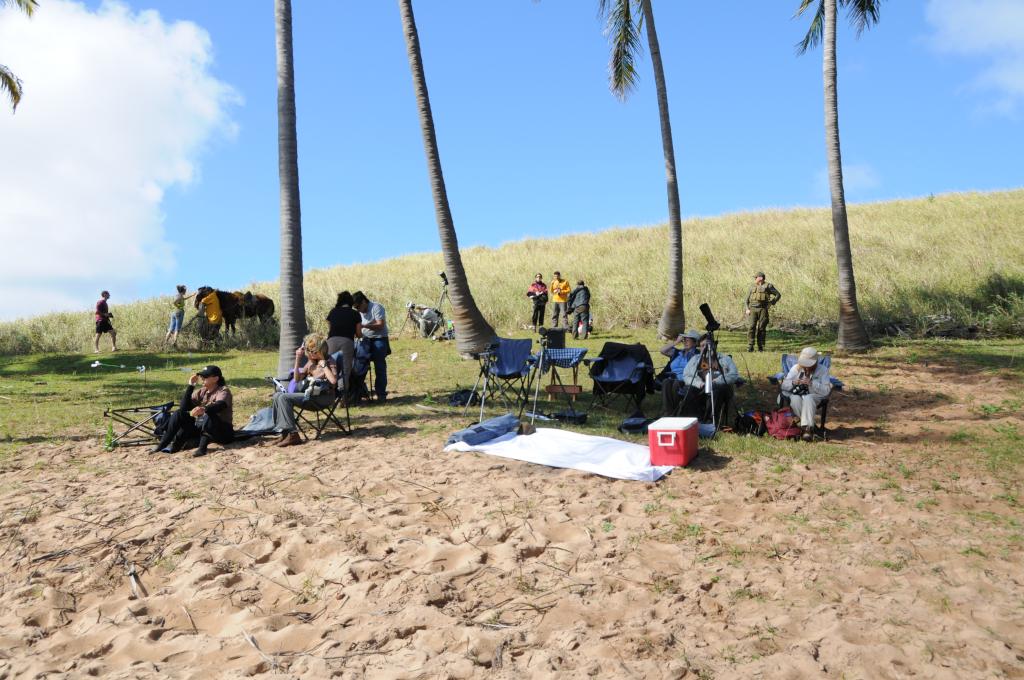
| 2010-07-11 18:34 UTC |
Here is our Expedition Headquarters. The sheet, held down by the cooler and a bag is intended to image the pulsing shadow bands should they choose to appear.
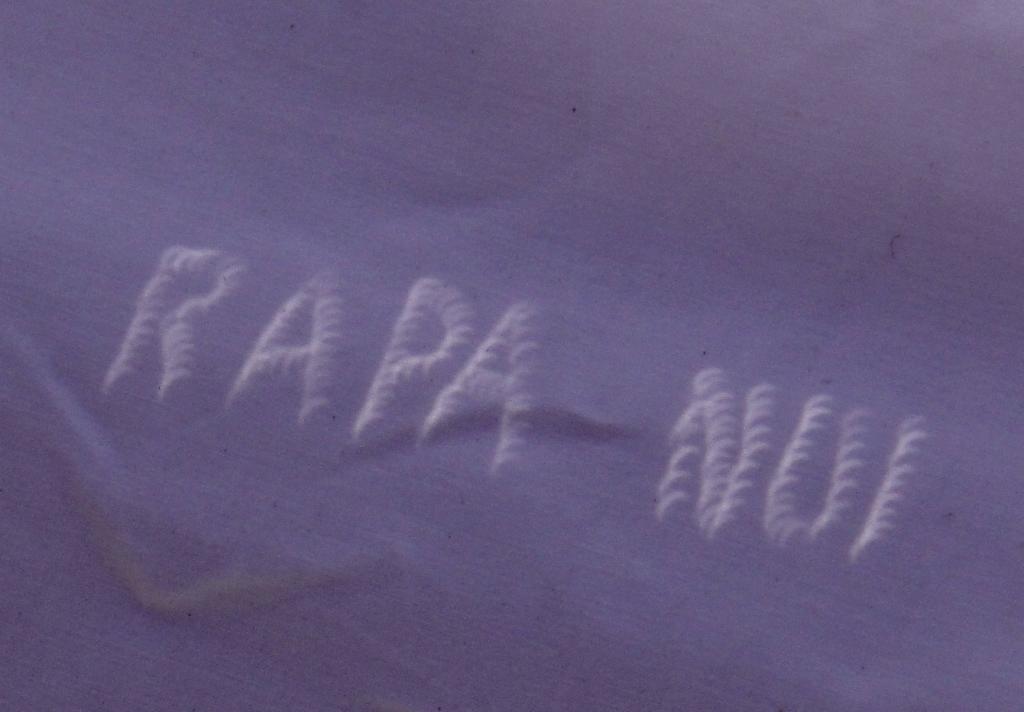
| 2010-07-11 20:47 UTC |
There's nothing as cool to do during the partial phase as making cool crescent images, and Judy had made a shadow mask with “Rapa Nui” poked through a card. It worked perfectly!
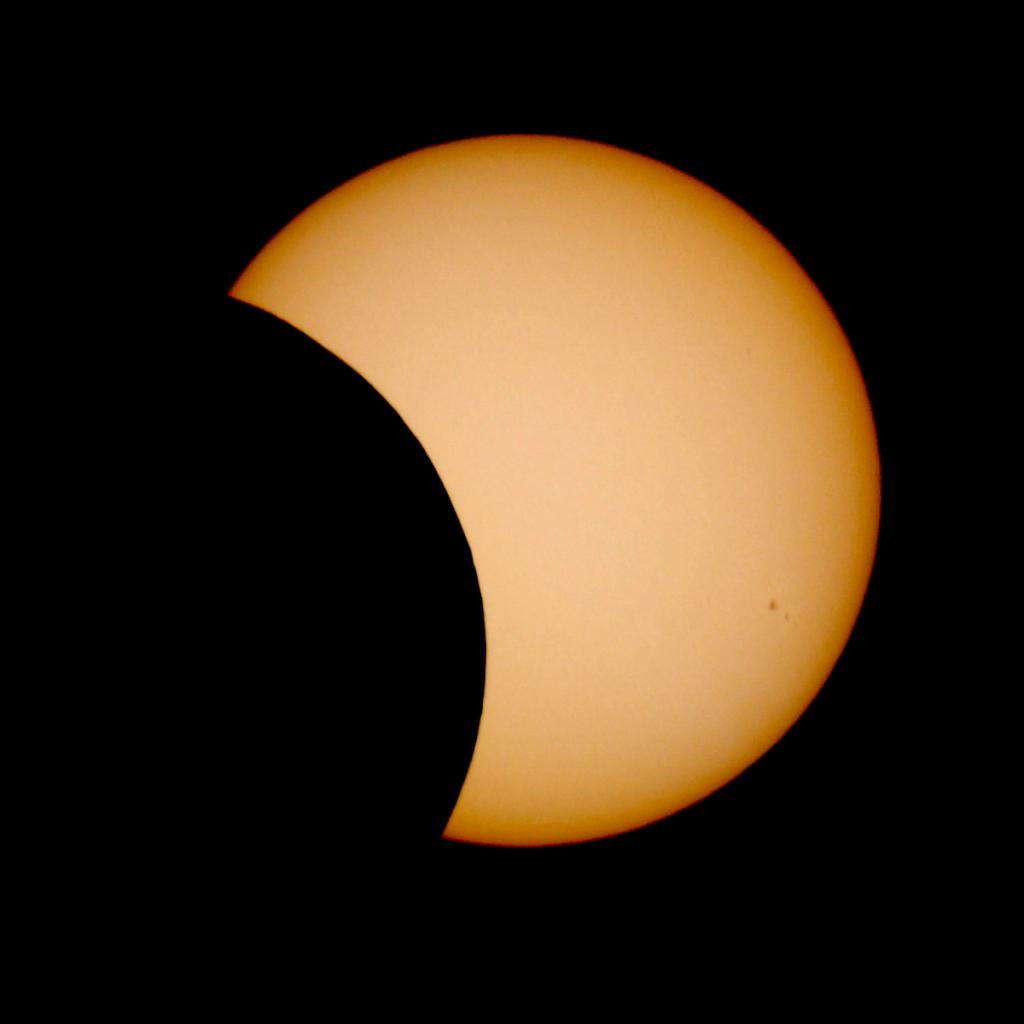
| 2010-07-11 19:16 UTC |
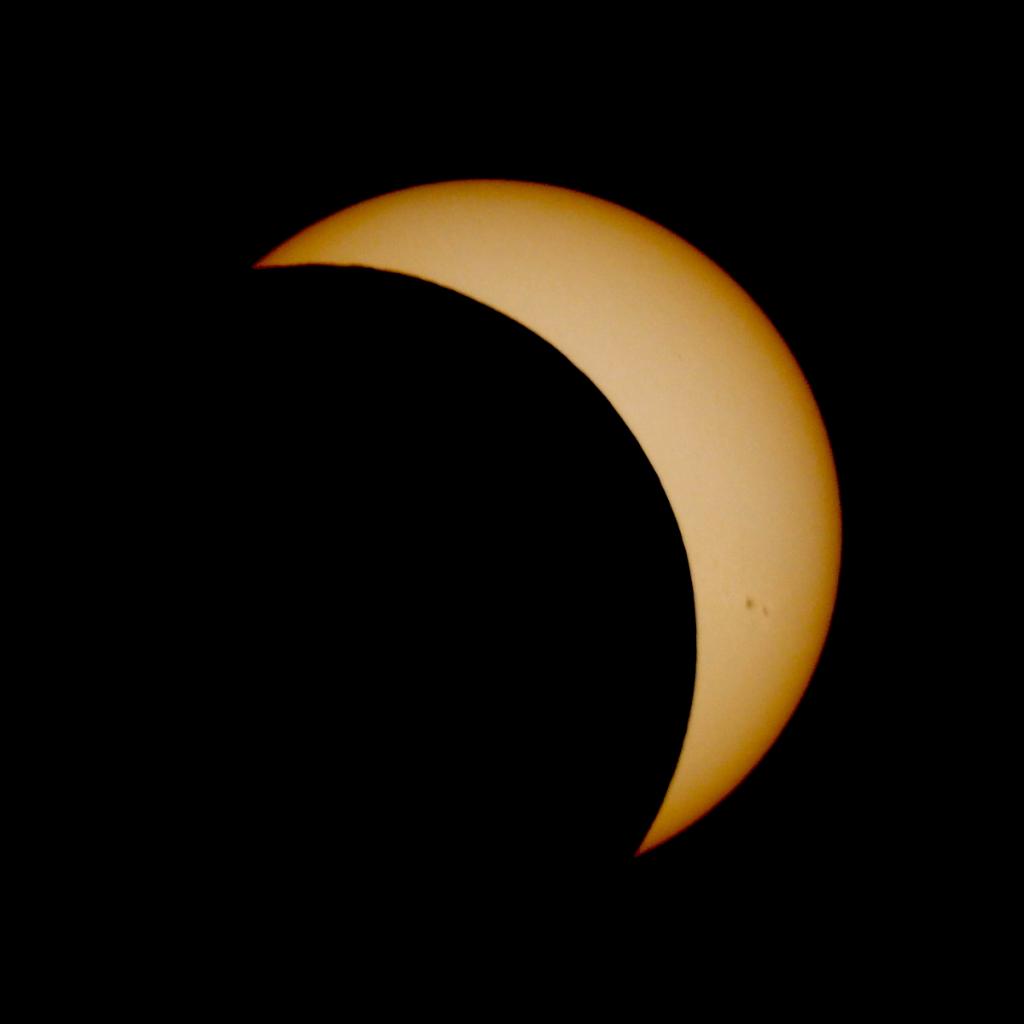
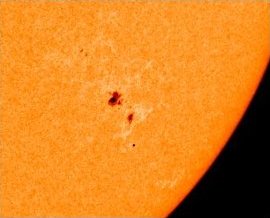 Now we're into the partial phase. I didn't get photographs of the beginning
of the eclipse because it took a bit longer for the Sun to emerge from the
palm tree than I expected.
Toward the lower right of the Sun's limb two sunspots are visible. These
are part of the active sunspot group 1087 which, on July 9th, unleashed
a class C3
solar flare. The image at right was cropped from a
full-Sun image
captured by the
Solar and Heliospheric Observatory's
MDI Continuum instrument about an hour and a half after the eclipse. I have
rotated the north-up Sun image in the clip to correspond to the apparent
orientation of the Sun from our viewpoint in the southern hemisphere.
Now we're into the partial phase. I didn't get photographs of the beginning
of the eclipse because it took a bit longer for the Sun to emerge from the
palm tree than I expected.
Toward the lower right of the Sun's limb two sunspots are visible. These
are part of the active sunspot group 1087 which, on July 9th, unleashed
a class C3
solar flare. The image at right was cropped from a
full-Sun image
captured by the
Solar and Heliospheric Observatory's
MDI Continuum instrument about an hour and a half after the eclipse. I have
rotated the north-up Sun image in the clip to correspond to the apparent
orientation of the Sun from our viewpoint in the southern hemisphere.
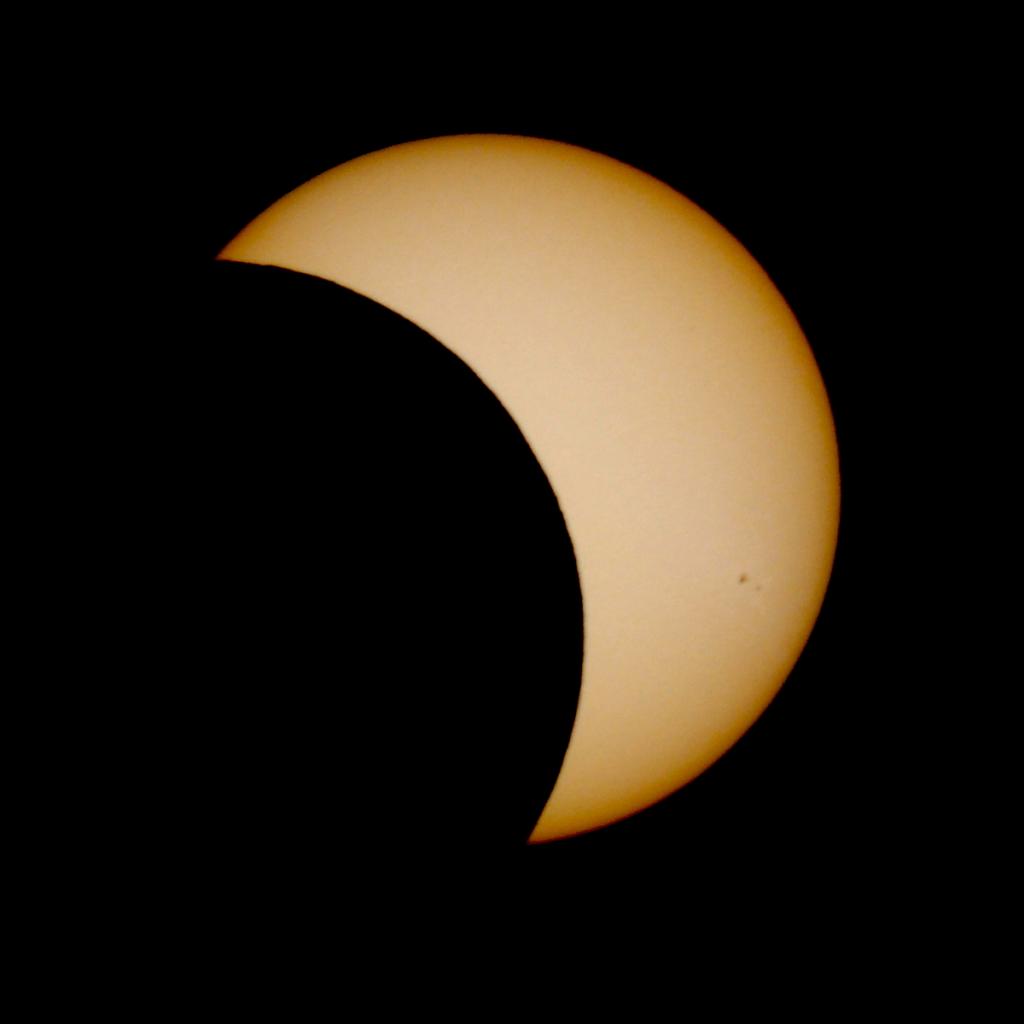
| 2010-07-11 19:32 UTC |
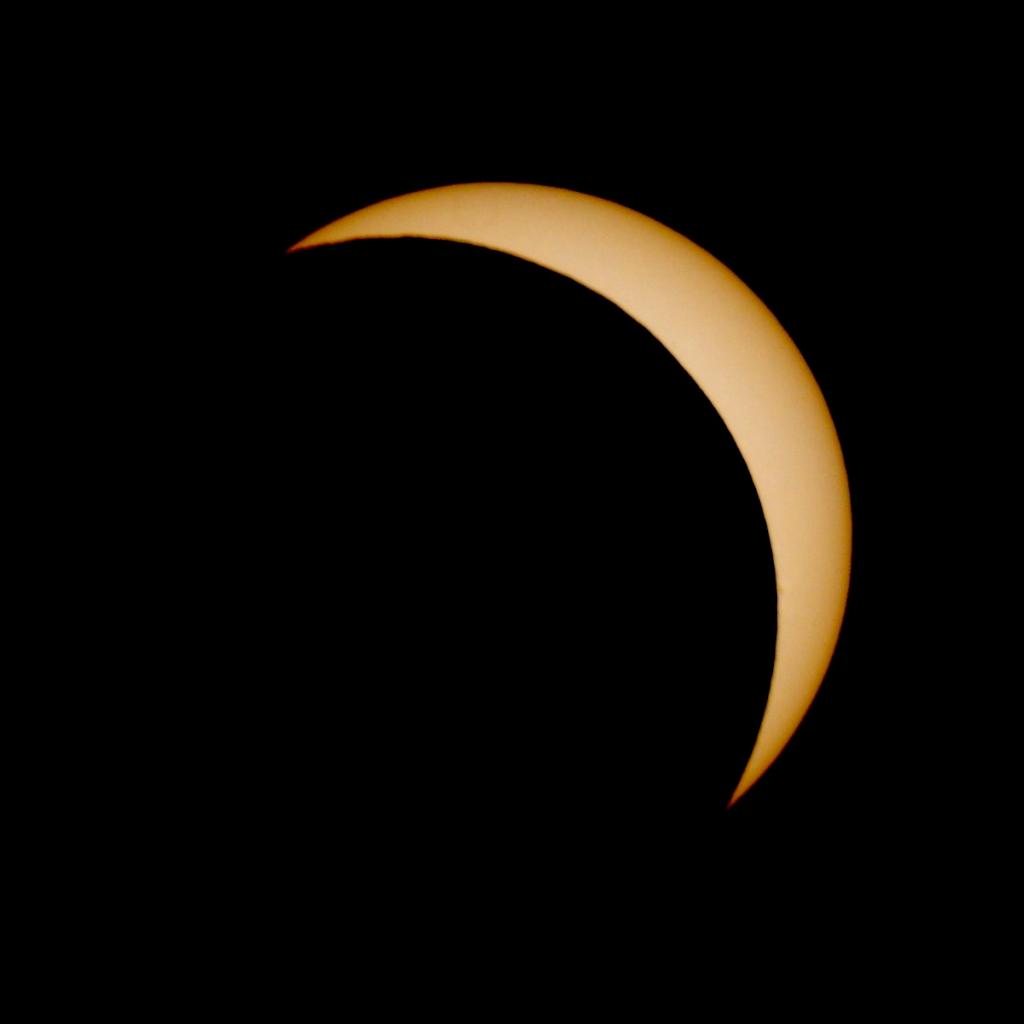
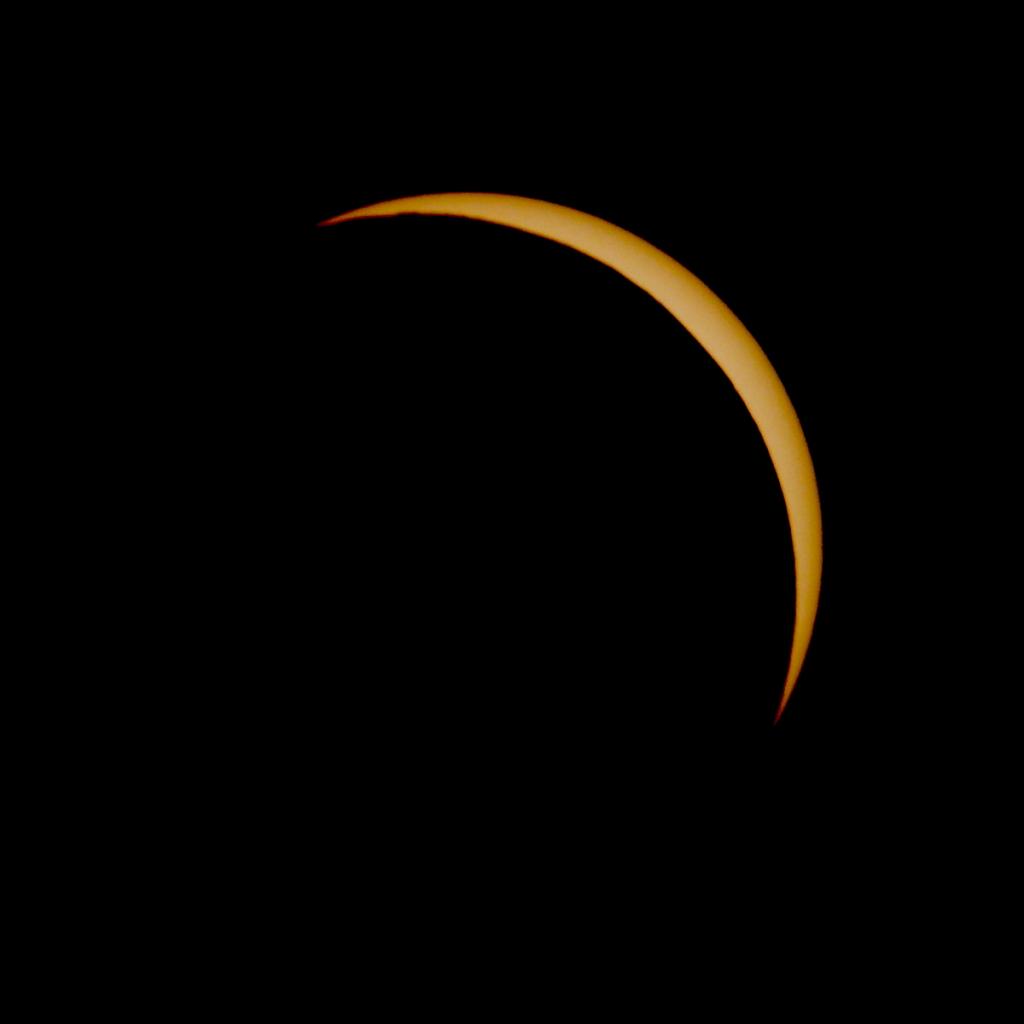
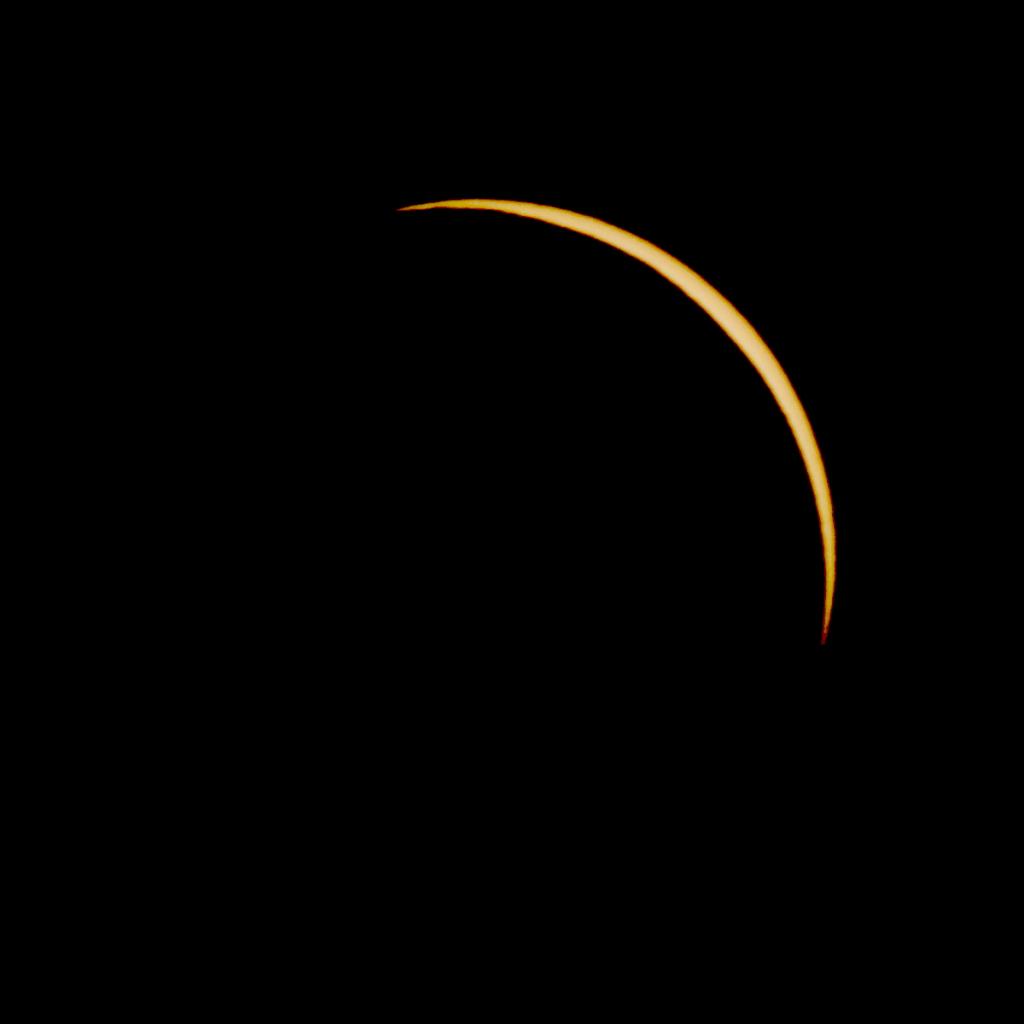
All of these detailed images of the Sun were taken with a Nikon D300 digital camera and Nikkor 500 mm catadioptric “mirror lens”, which provided the equivalent of 750 mm focal length on a 24×36 mm film camera. The same lens was used to photograph the 1999, 2001, and 2008 solar eclipses. Photographs during the partial phase were taken through an Orion metal on glass full-aperture solar filter placed before the mirror lens.
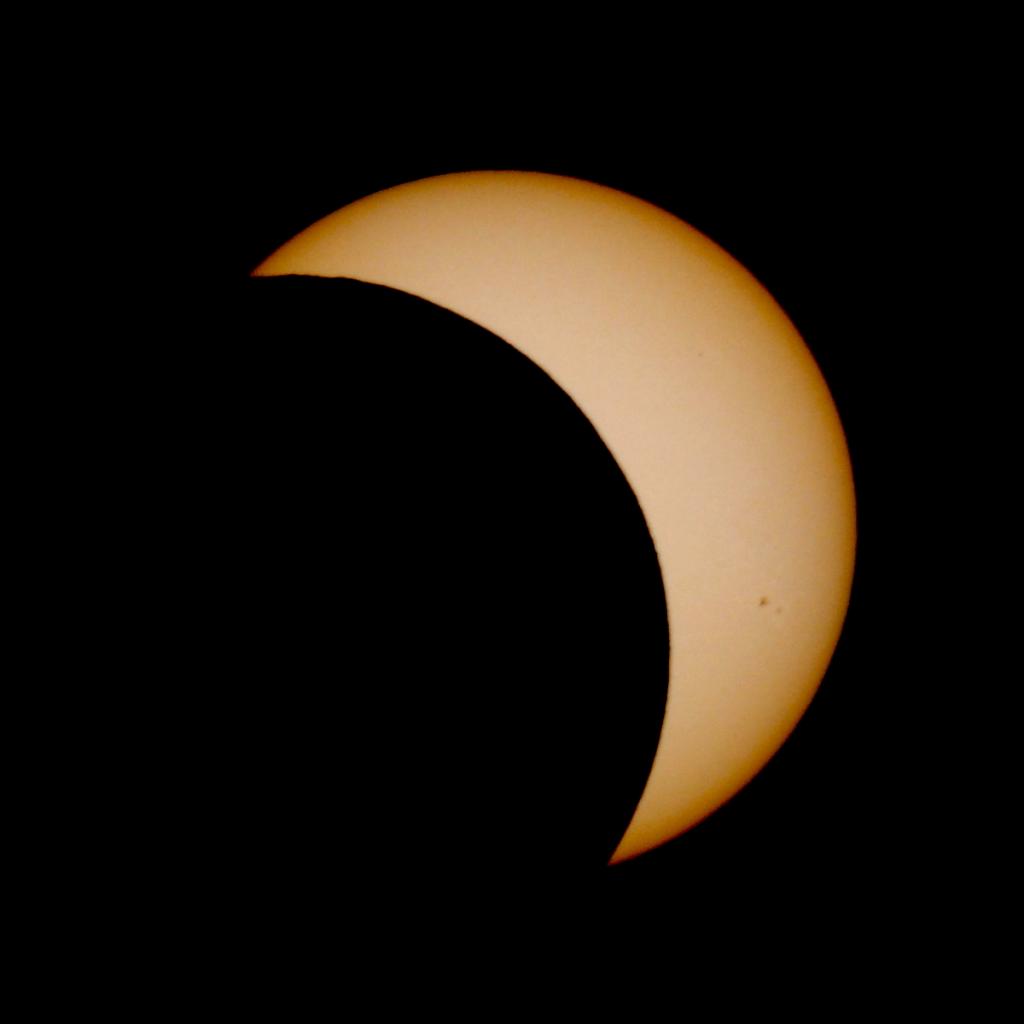
| 2010-07-11 19:41 UTC |
| 2010-07-11 19:47 UTC |
| 2010-07-11 19:56 UTC |
| 2010-07-11 20:03 UTC |
| 2010-07-11 20:06 UTC |
| 2010-07-11 20:06 UTC |
| 2010-07-11 20:08 UTC |
| 2010-07-11 20:08 UTC |
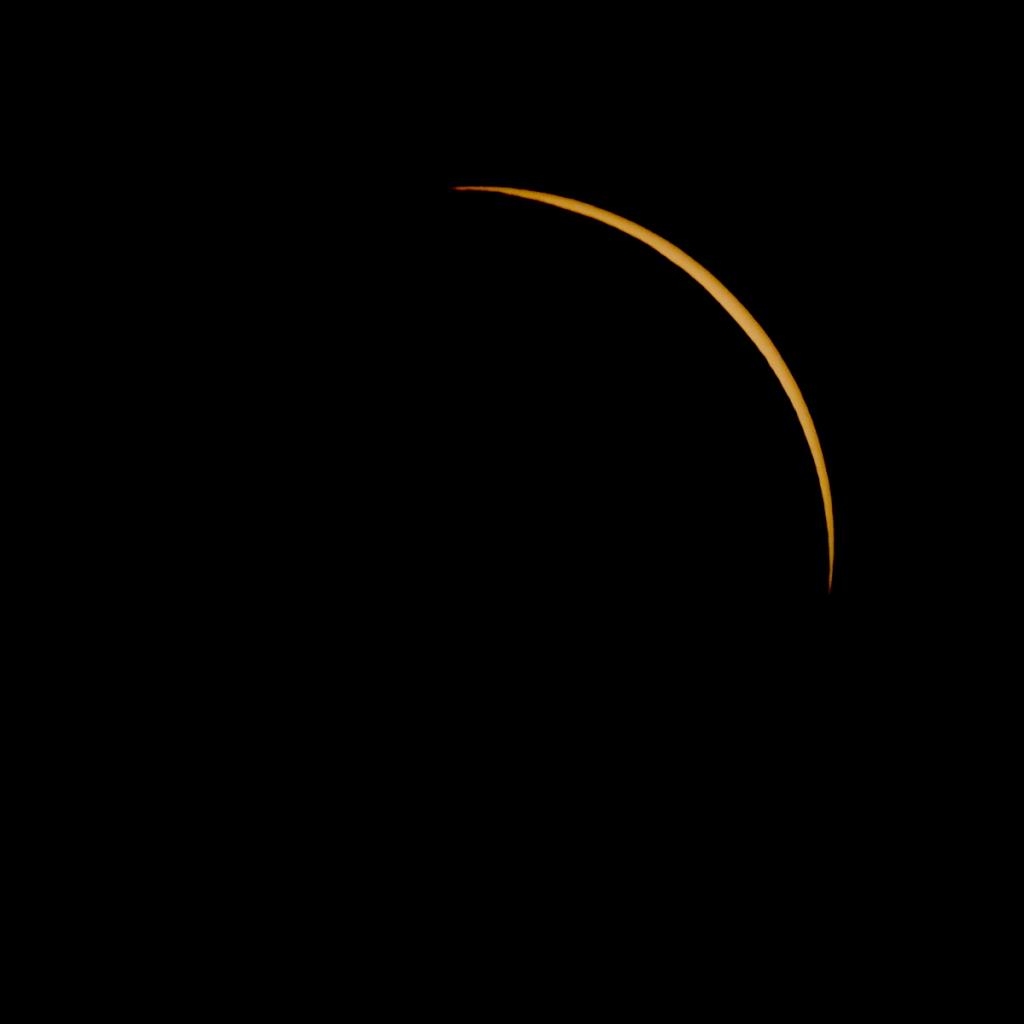
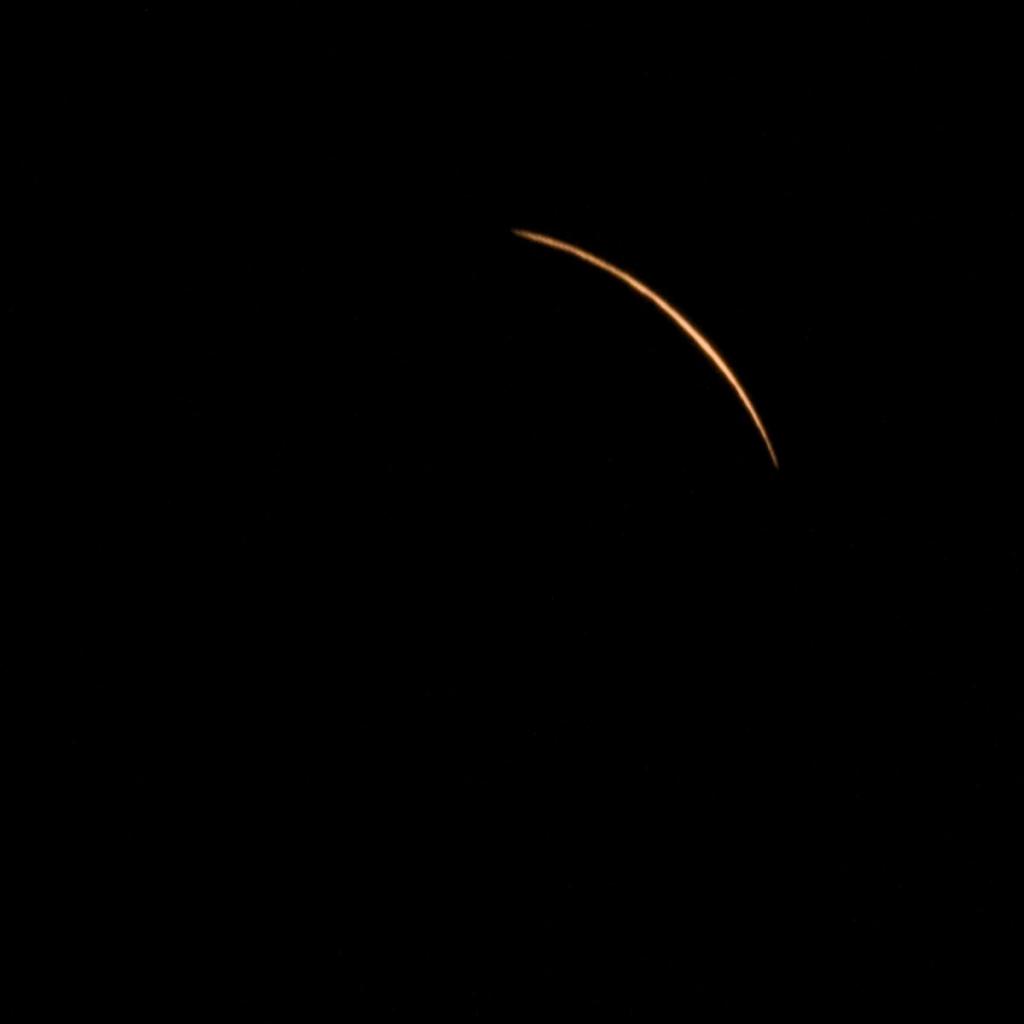
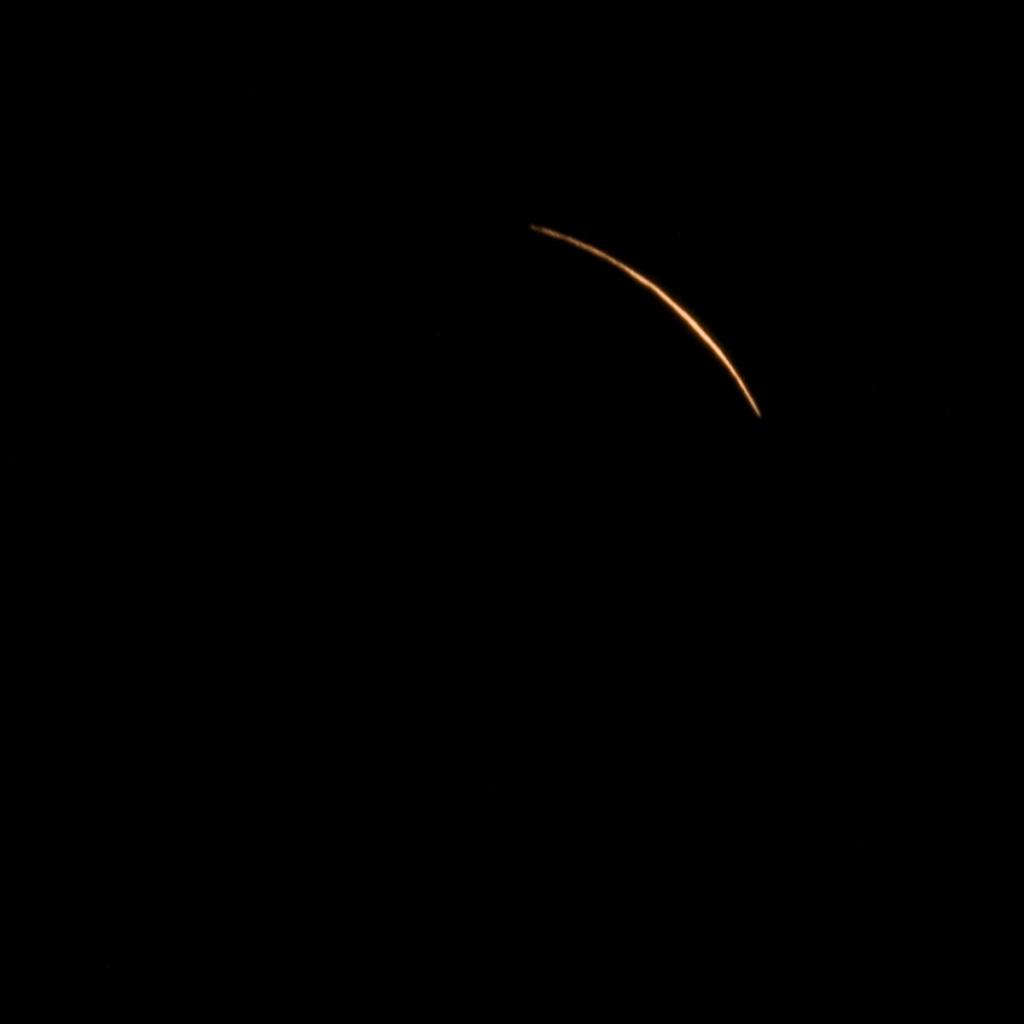
As the sliver of exposed Sun dwindled, the pulsating shadow bands became visible on the sheet we'd laid down on the sand. When they appear (which is dependent on a variety of atmospheric conditions: we saw them in Zambia and here in Easter Island, but not a hint in Iran or the Barents Sea) they are obvious to the human eye but are notoriously difficult to capture on film or video. In the 1940s, before high speed film, some argued they would always be a visual phenomenon only. Well, look at what technology hath wrought! The following video shows the shadow bands, but they're very subtle and it helps to know what you're looking for. The bands go from upper right to lower left on the sheet, and vary in intensity. At the end of the video I've added a slow motion segment which may help pick out the pulsing of the bands. When you see them yourself, there's nothing remotely subtle about the effect, so I hope that trying to dig it out of this murky video will encourage you to go and observe an eclipse with that instrument so perfectly evolved to appreciate it: the human eye.
| 2010-07-11 20:08 UTC |
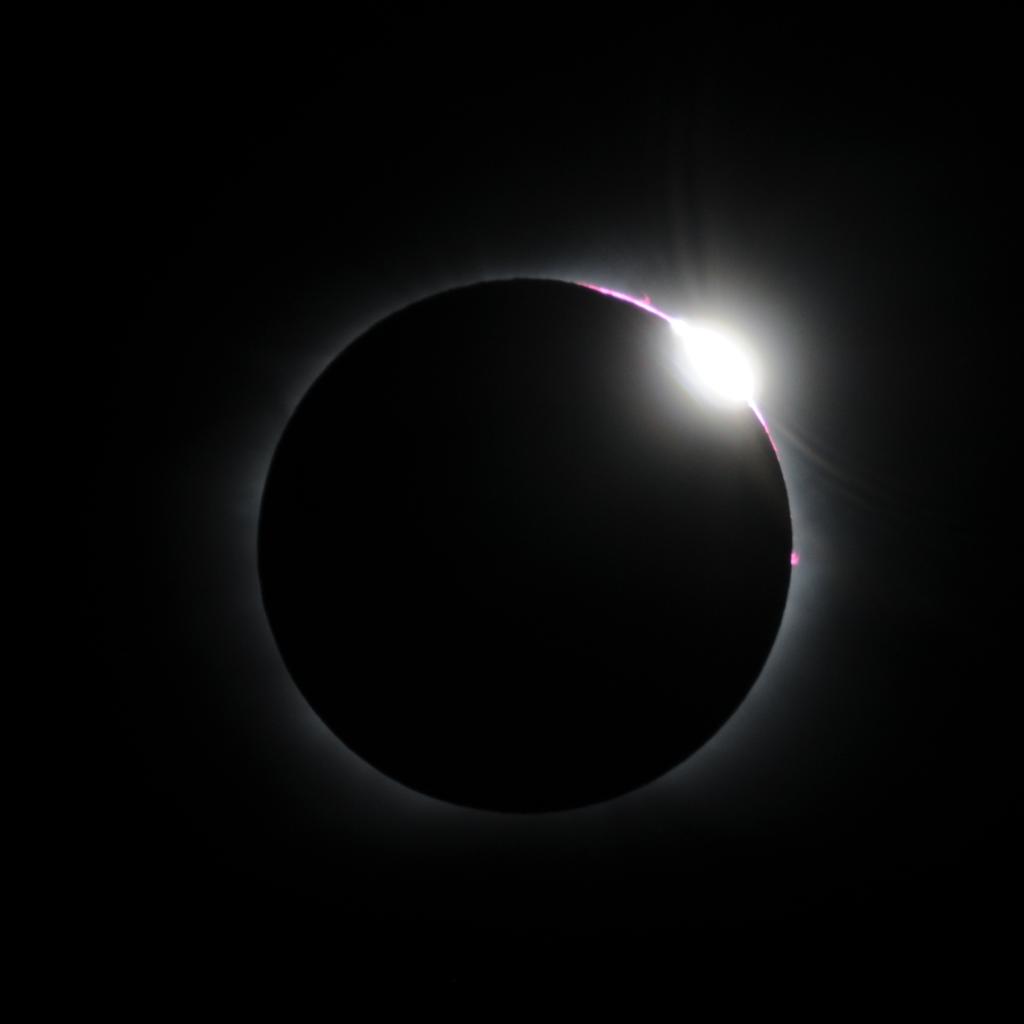
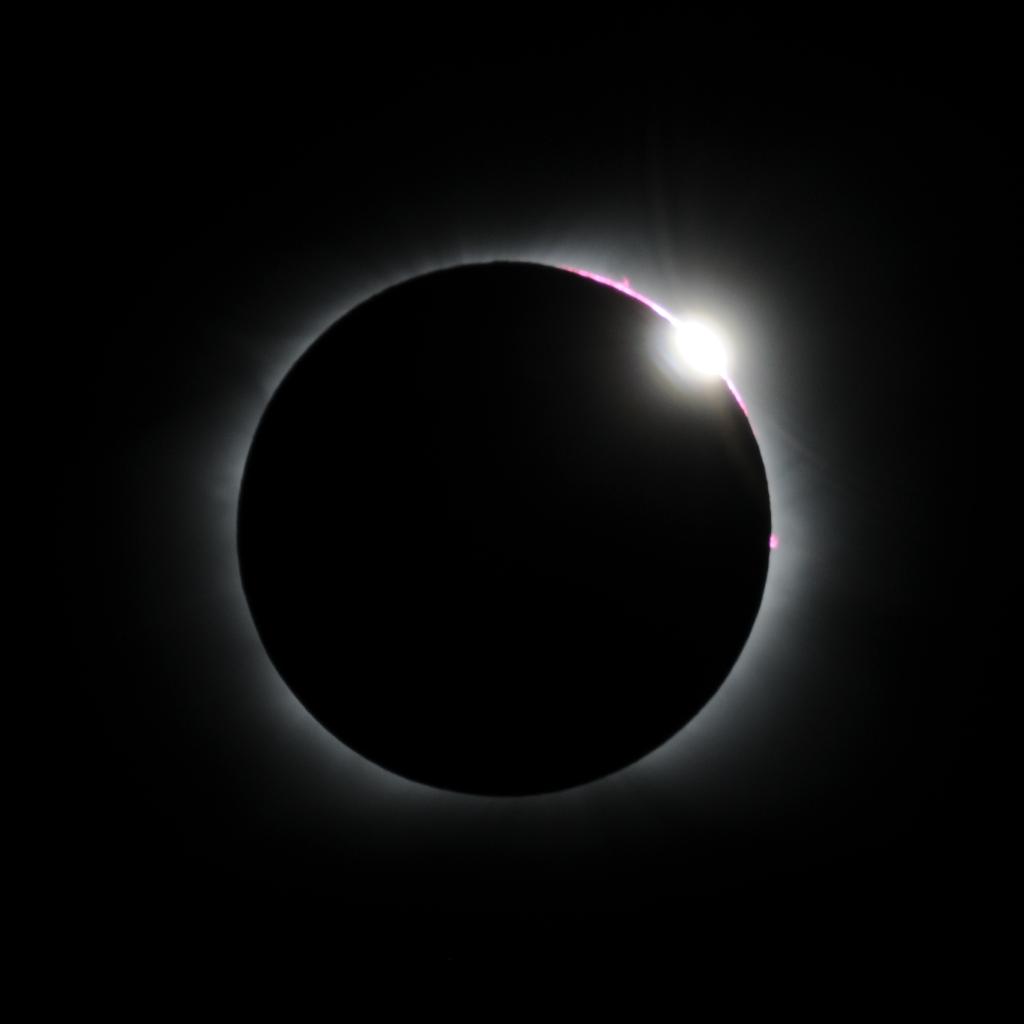
Diamond ring! (Contemporary eclipse observers tend to call “diamond ring” way too early, tempting observers to rip off their eclipse specs prematurely and spoil their dark adaptation for totality. I'd say, keep on your eclipse specs until you see nothing but darkness, then take them off to see the spectacle in the sky.)
Anyway, here is the moment when the last part of the photosphere is being covered by the Moon. Note the hydrogen alpha red of the chromosphere and prominences along the limb of the Sun and the bead at the top of the diamond ring where the lunar profile allows a bit of the photosphere to shine through a lunar mountain valley. The arcs curving away from the Sun from the diamond ring are internal reflections in the mirror lens used to take this picture; they are not genuine effects.
In the last instants before totality, I removed the solar filter from the mirror lens on the Nikon camera and activated my pre-programmed nine stop automatic bracketing sequence. With a single press on the electronic cable release, I could take nine exposures of the eclipsed Sun ranging from a shot at 1/1000 or 1/500 second optimised for the prominences, chromosphere, and inner corona to one risking blur due to apparent motion of the Sun which would reveal outer corona streamers. This facility in the Nikon D300 is a tremendous gift to eclipse photographers: it allows capturing almost ten times as many images during totality as with manual exposures and setting of the camera, and it allows doing so without looking away from the eclipse to fiddle with dials on the camera. But if there are any eclipse chasers at Nikon headquarters reading this, there's one thing you got wrong, folks! There should be some way to set the shutter dial that both activates mirror-up and multiple exposure mode. As it stands, if you choose multiple exposure, you can shoot all nine bracketed images with one push of the remote release, but you're almost certain to lose some of the longer exposures to vibration due to mirror rebound. If you select mirror up mode, you have to push the release button eighteen times to complete the nine frame bracketed sequence, which defeats the entire purpose of auto-bracketing: speed. Please, Nikon, give us an item buried somewhere in the menus where we can activate a mode which will lock up the mirror, pause to let vibrations damp out, shoot the nine bracketed frames, and then let the mirror come back down. Eclipse photographers will sing your praises, and it should produce better material for high dynamic range images taken in less demanding circumstances.
| 2010-07-11 20:08 UTC |
An instant later, the diamond on the ring has shrunk and the corona is coming out.
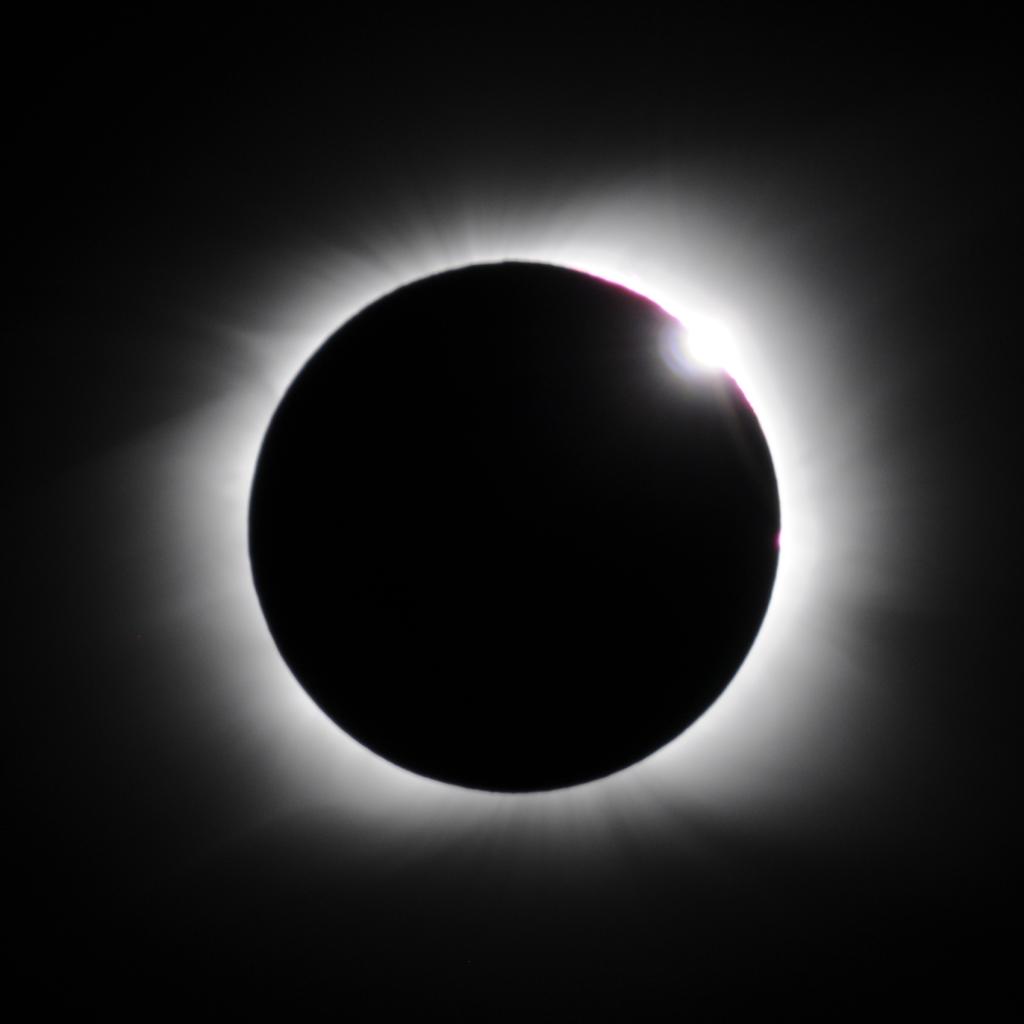
| 2010-07-11 20:08 UTC |
Only instants before the photosphere is covered. The corona is revealed in all its glory. Look at those polar brushes, characteristic of an eclipse of the quiet Sun.
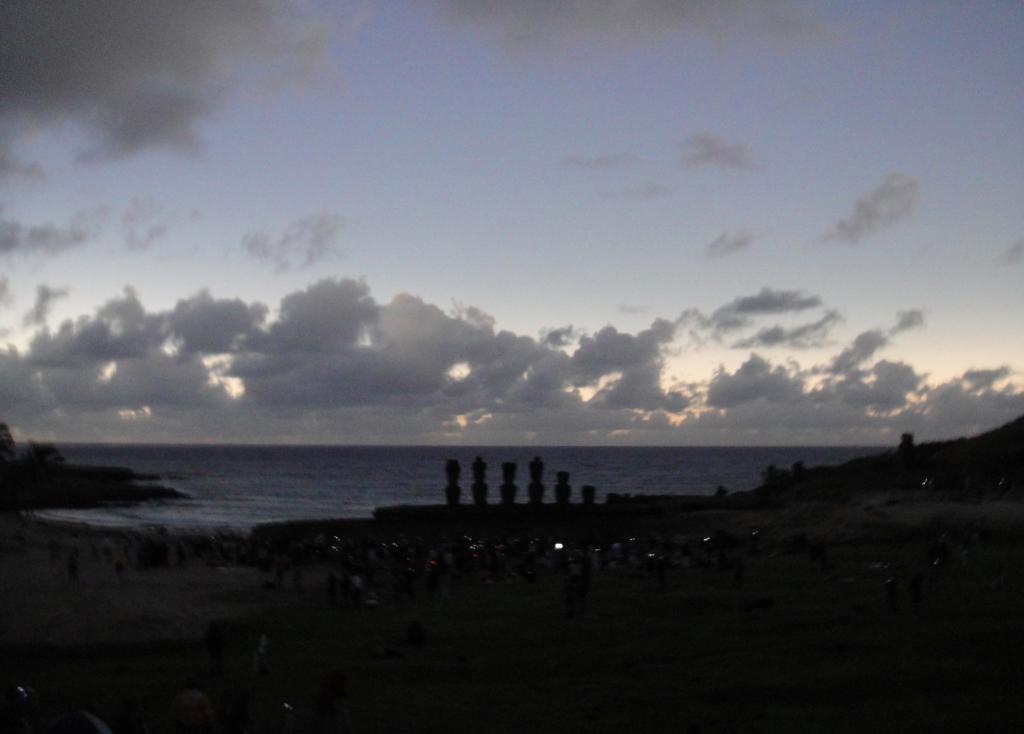
| 2010-07-11 21:12 UTC |
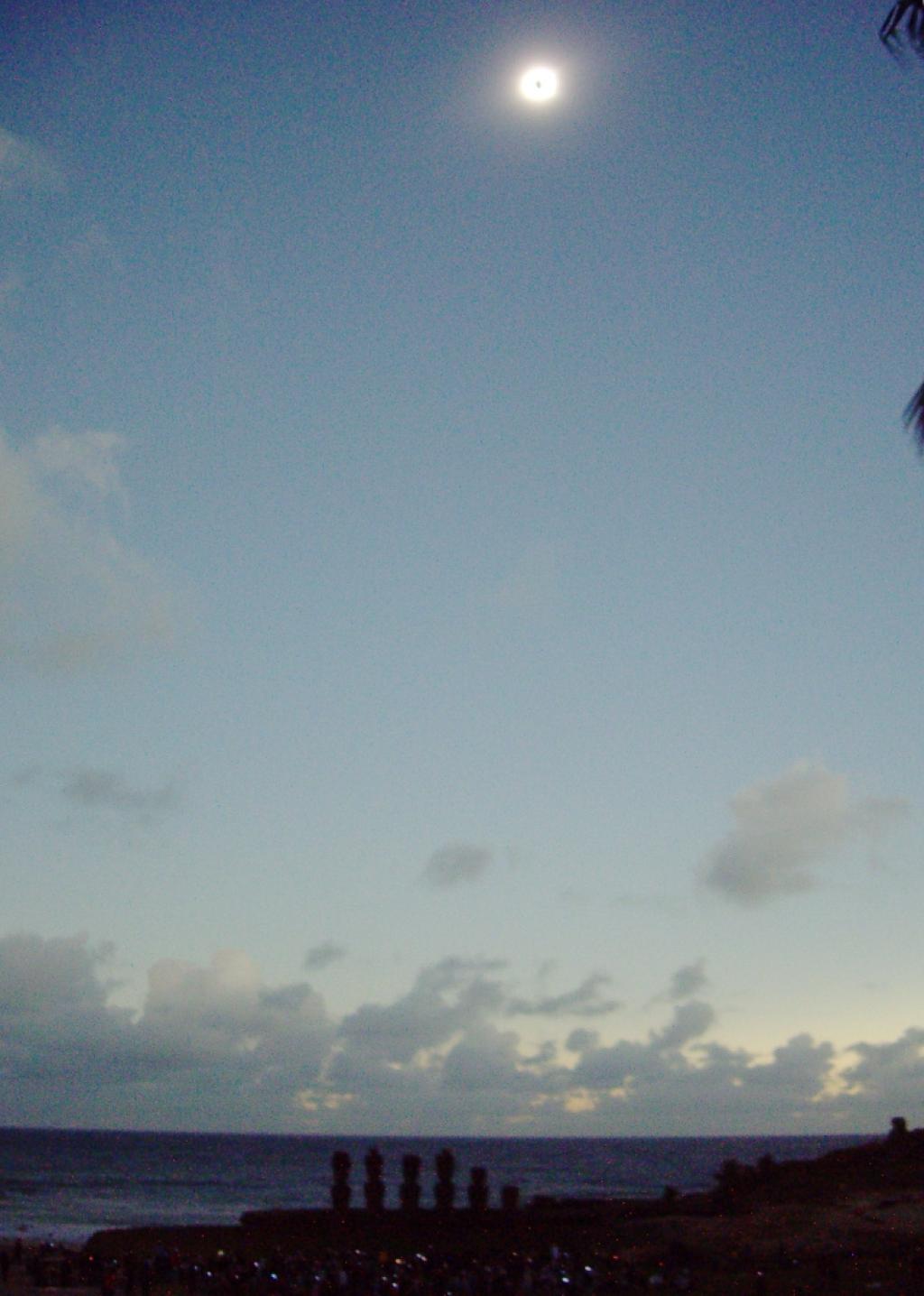
As totality enveloped us, Anakena was surrounded by the 360° twilight unique to a total eclipse of the Sun. The eclipsed Sun is out of the frame at the top of this image. The lights in the foreground are idiots trying to illuminate the eclipsed sun with the flashes on their cameras.
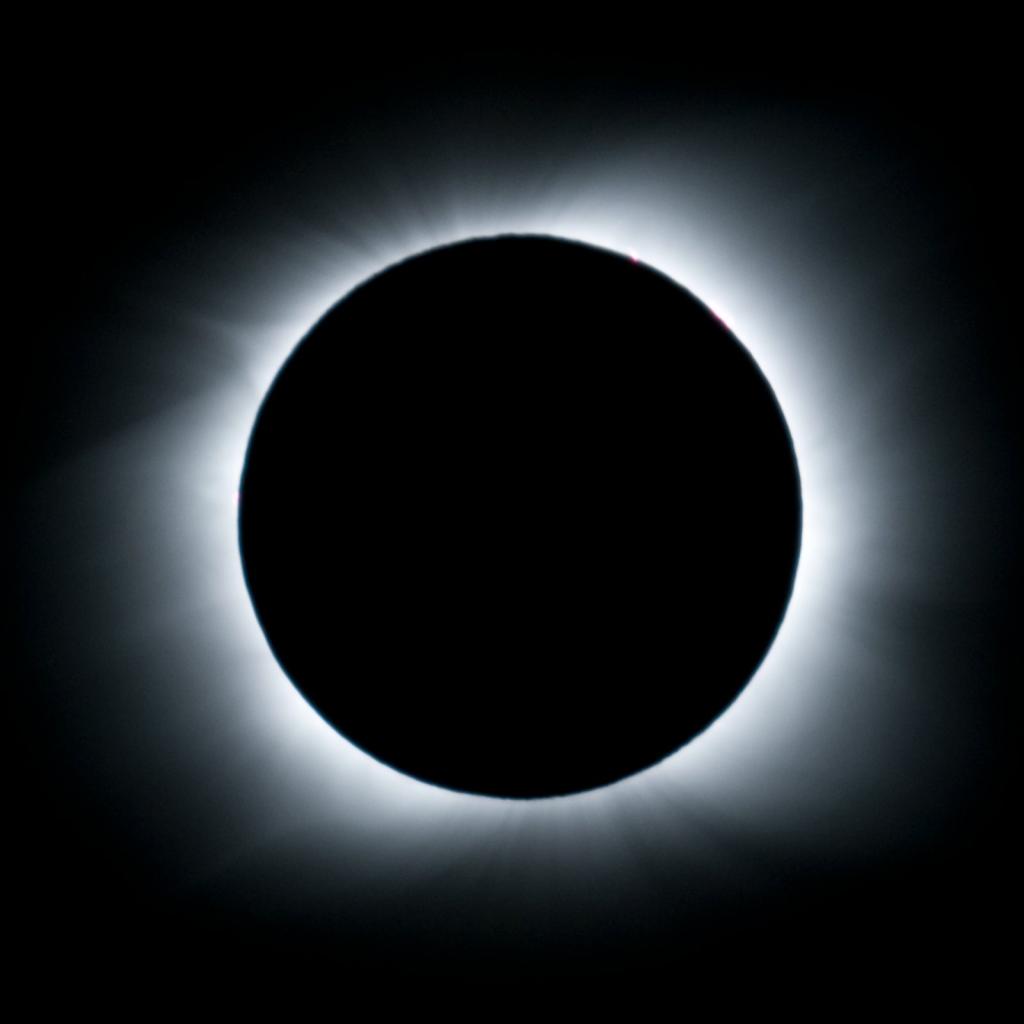
| 2010-07-11 20:10 UTC |
A longer exposure in mid-totality still captures the prominence at the 1 o'clock position and shows the polar brushes.
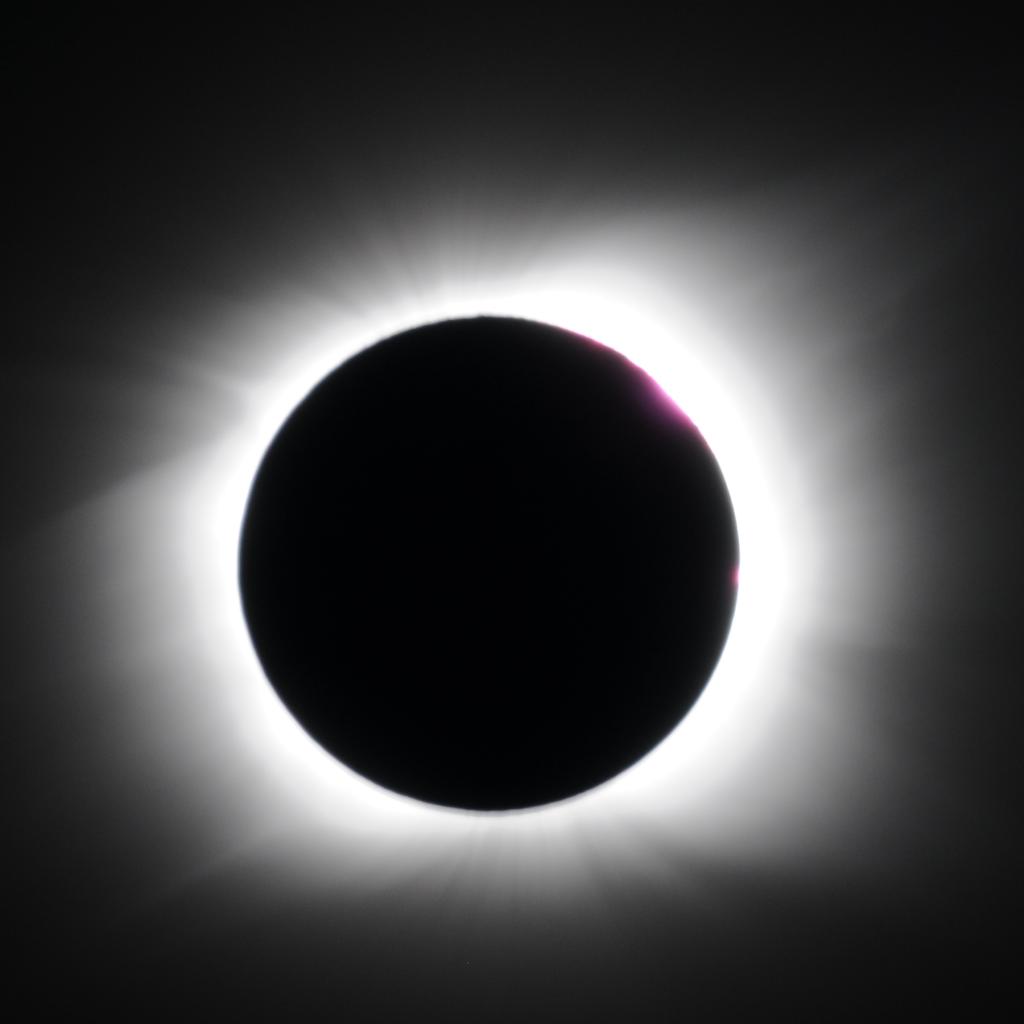
| 2010-07-11 20:09 UTC |
Going longer still, we begin to see the streamers of the outer corona.
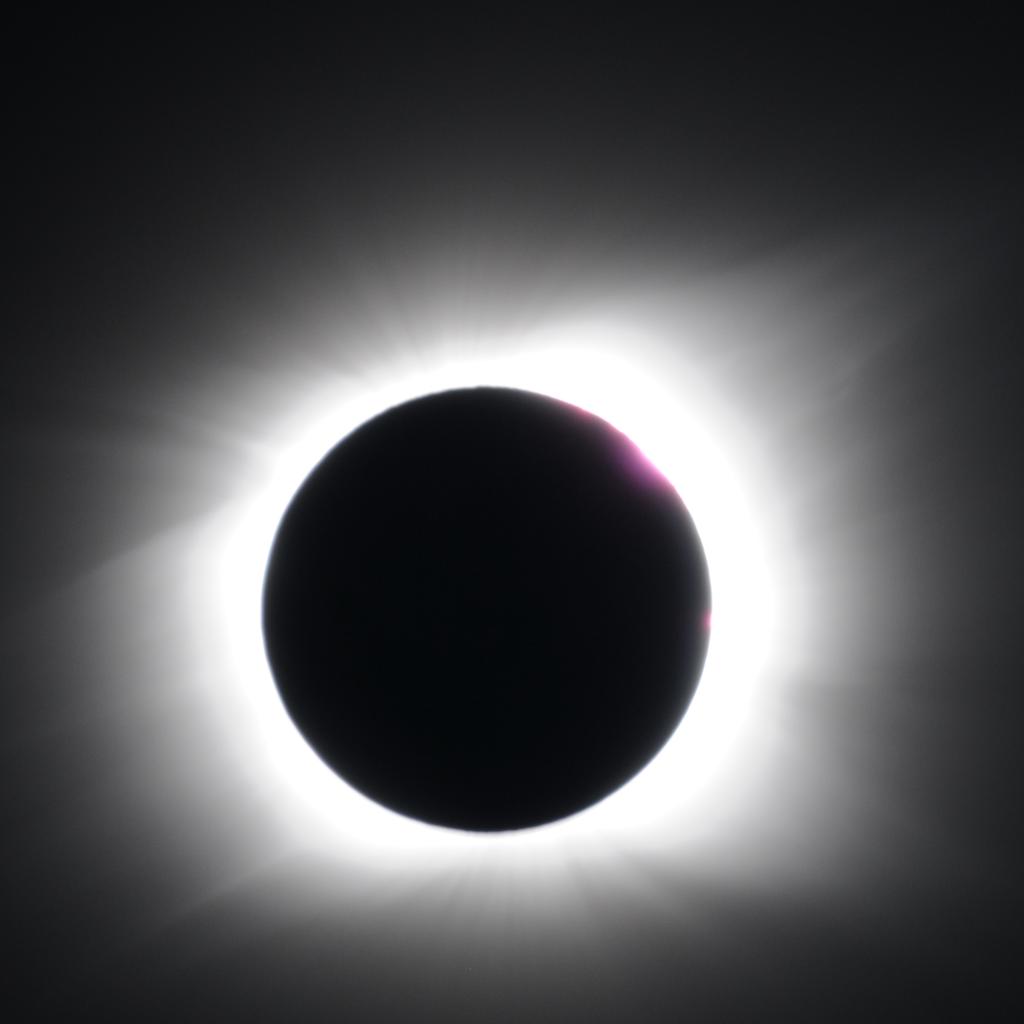
| 2010-07-11 20:09 UTC |
And those streamers just go on and on!
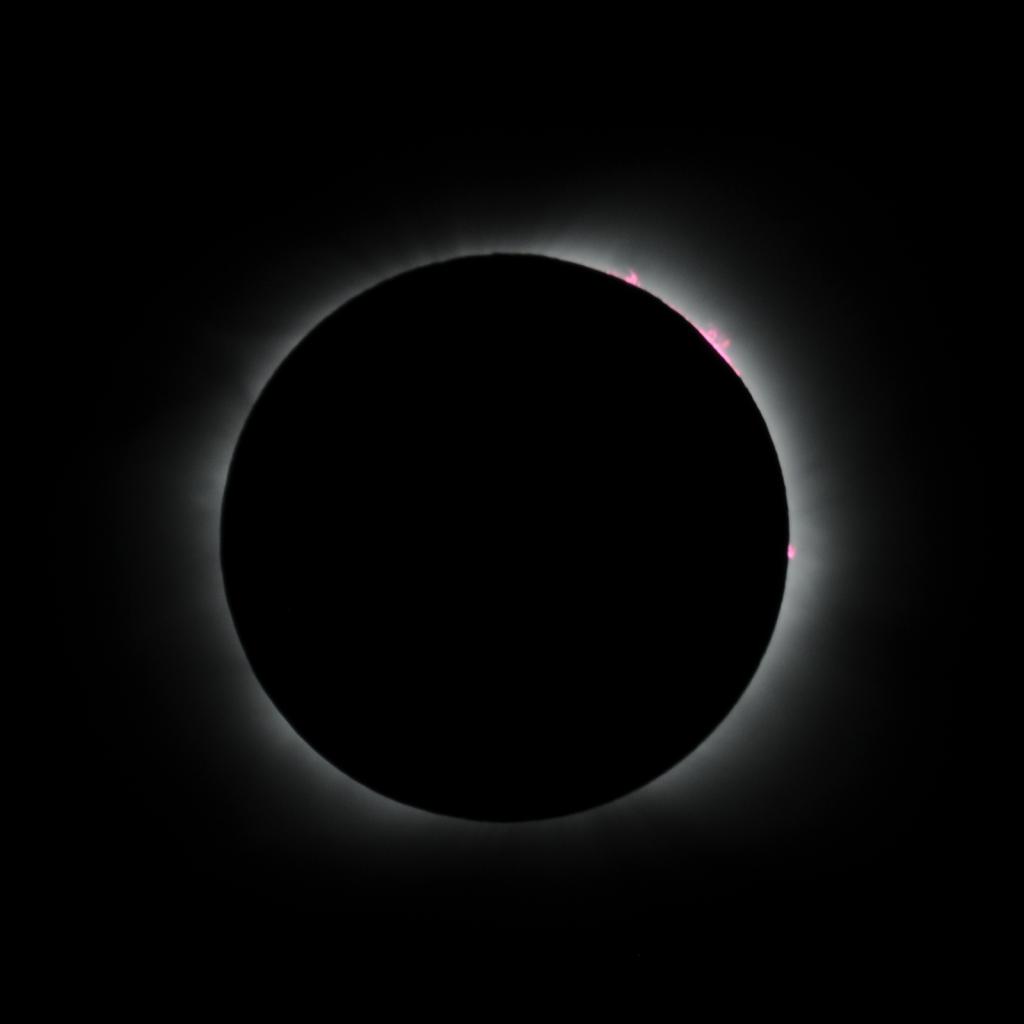
| 2010-07-11 20:09 UTC |
This 1/500 second shot at mid-totality shows prominences and inner corona. The chromosphere, evident in the photos just after second contact (the start of totality) is now covered, but the prominences on the right limb remain exposed. Look at that loop prominence at the 2 o'clock position!
| 2010-07-11 20:09 UTC |
Taken at mid-totality, the eclipsed Sun is visible over the moai of Ahu Nau Nau, silhouetted against the sea. At the right stands Ahu Ature Huki with its lone moai. To the human eye, the sky was darker and the twilight shading around the horizon more prominent than in this 1/4 second exposure.
| 2010-07-11 20:10 UTC |
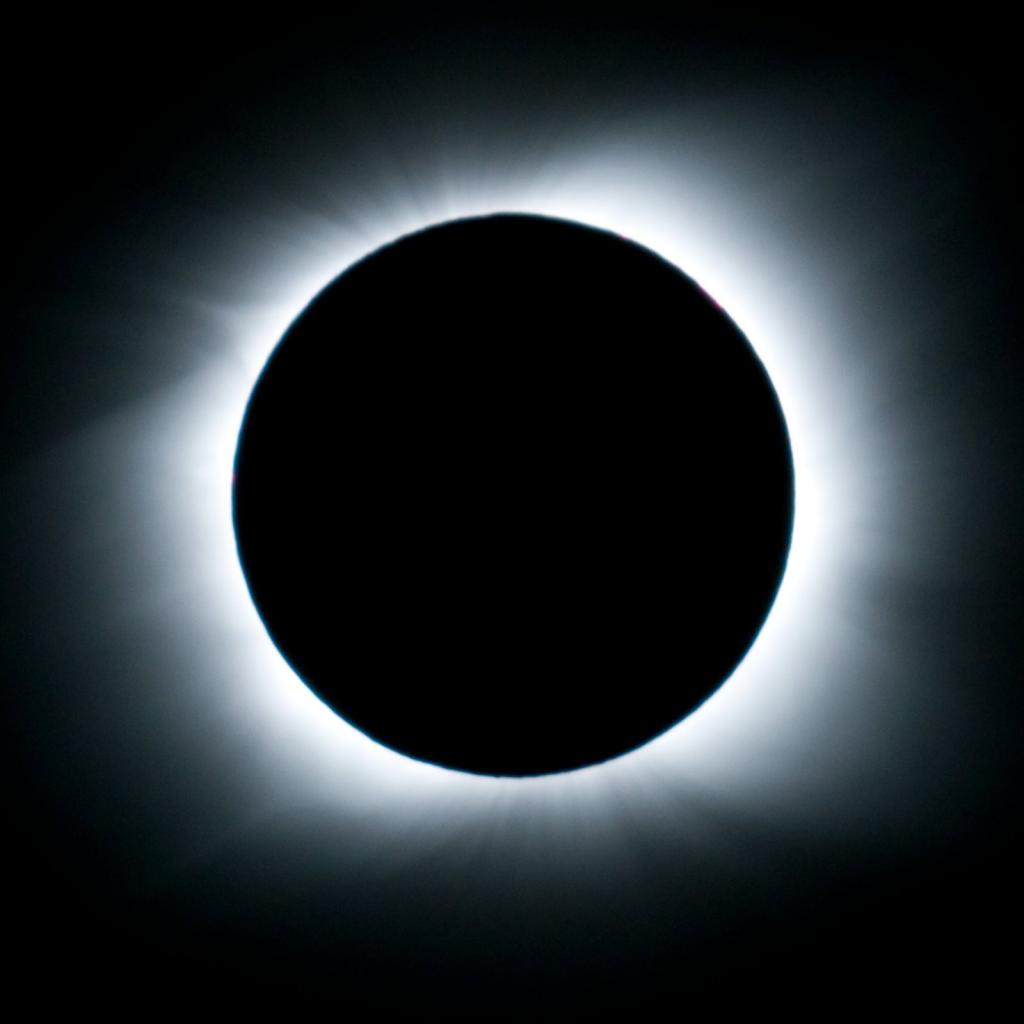
A longer exposure (almost) washes out the prominences, but highlights the polar brushes. Stretching colour saturation, you can see the green hue of the forbidden line of oxygen in the corona.
| 2010-07-11 20:10 UTC |
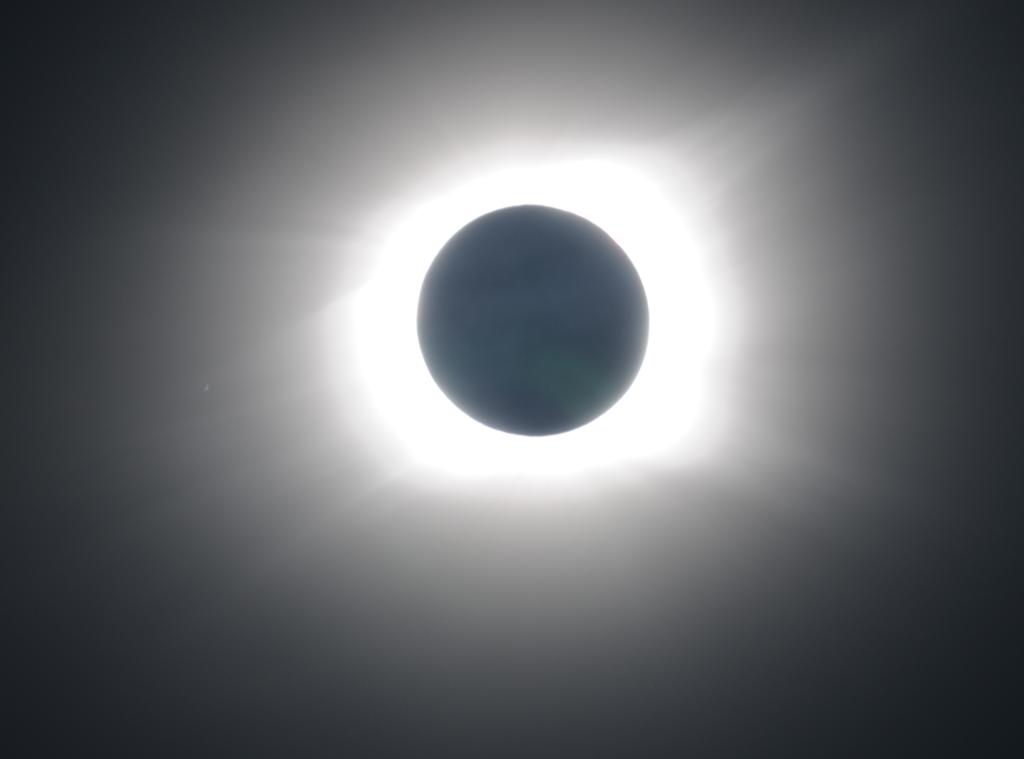
And an even longer exposure totally blows out the inner corona, but limns the extended streamers which become so obvious to the dark-adapted eye as the eclipse progresses.
| 2010-07-11 20:10 UTC |
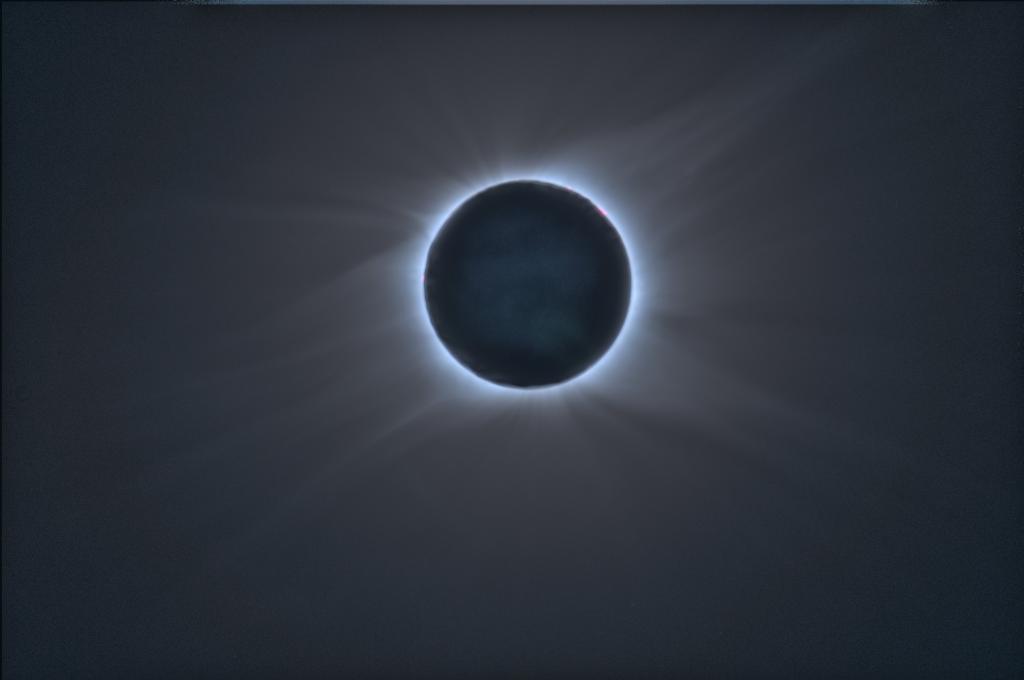
Now we enter the domain of special effects. I've taken nine images from totality, photographed with exposures from 1/500 second to 2 seconds, manually aligned them, and assembled this high dynamic range composite image in an attempt to reproduce the visual impression of the eclipse. Bottom line: the prominences were more evident in the real thing, and the coronal streamers extended further than you can see them here. But this is much closer to what we saw in the sky than any single photographic image. Note that subtle detail of the lunar surface, illuminated by full Earthshine, is visible in this image.
| 2010-07-11 20:12 UTC |
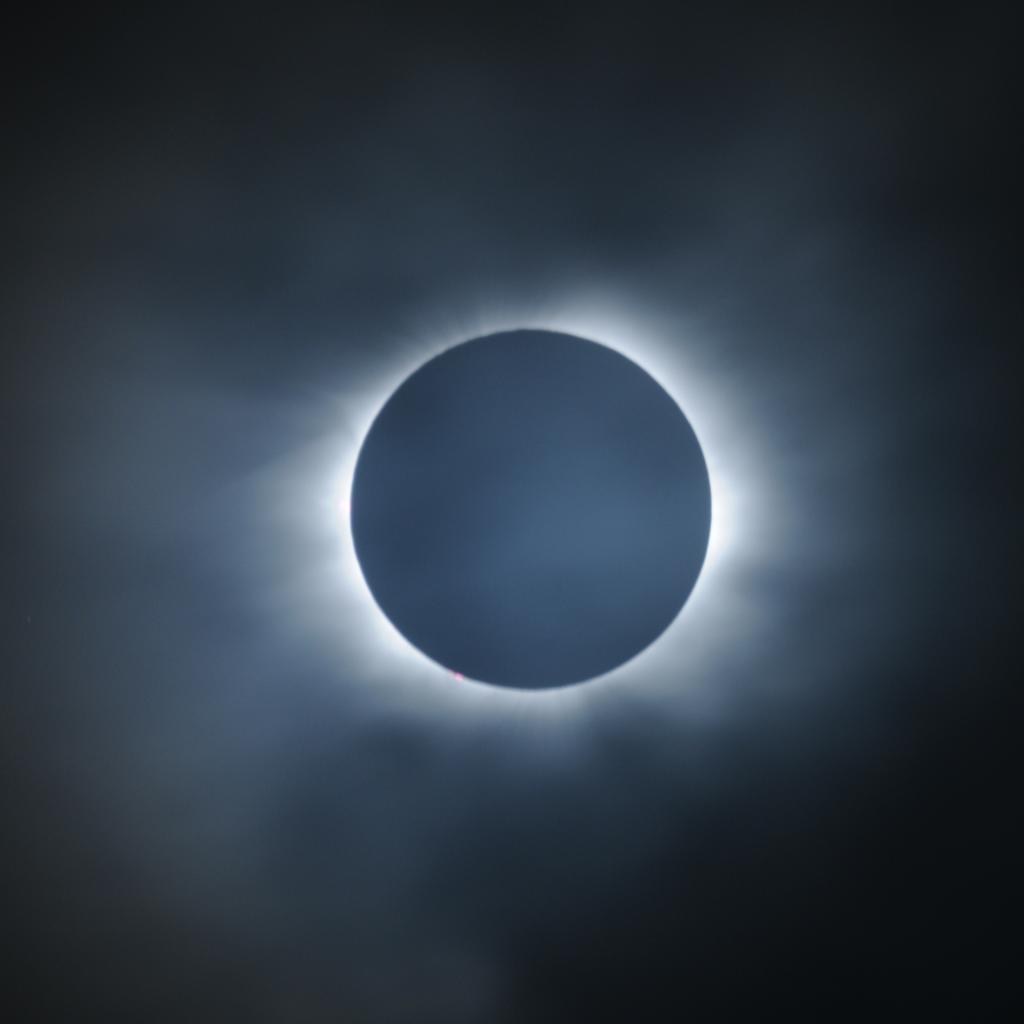
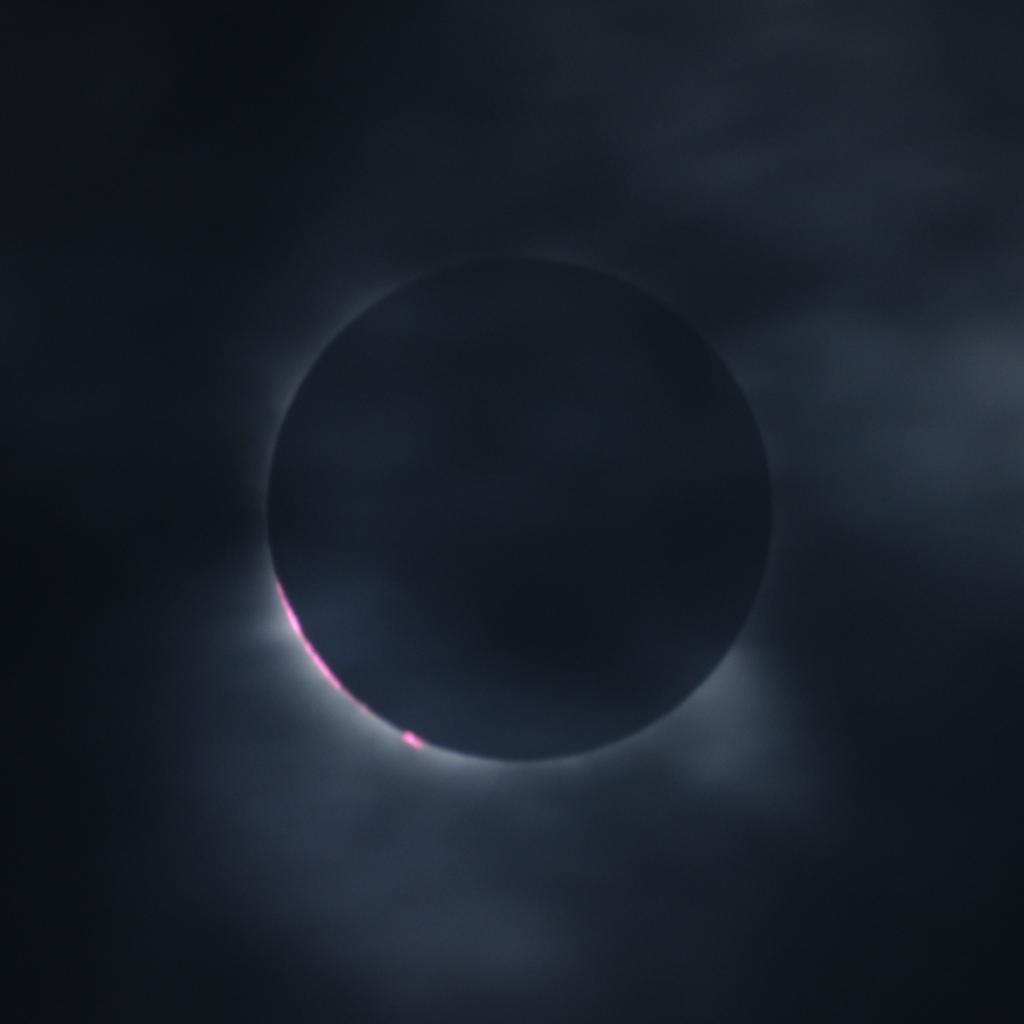
Toward the end of totality a cloud rolled in and obscured the Sun, more or less from instant to instant. Here is an image through the cloud as prominences began to appear on the lower left limb of the Sun with the end of totality near.
| 2010-07-11 20:13 UTC |
In the last moments before the end of totality, we see the chromosphere appear through the clouds. In less than a second, the photosphere would emerge and call an end to the magic of totality—at least until the next time in the shadow!
The following video shows the approach of the Moon's shadow and totality.
Enjoy your Siesta Key escape.
Here’s a carefully curated text on the best things to do in Siesta Key, written for travelers looking for a mix of relaxation, adventure, and local flavor. Tucked off the coast of Sarasota, Florida, Siesta Key is a barrier island that consistently tops lists of the world’s best beaches. But beyond its famous quartz-crystal sand, the key offers a laid-back yet vibrant collection of activities. Whether you’re a sun worshipper, a nature lover, or a foodie, here’s how to make the most of your visit. 1. Experience Siesta Beach – The Main Event You can’t visit Siesta Key without spending time at its crown jewel: Siesta Beach . The sand is 99% pure quartz, meaning it stays cool underfoot even on the hottest days. The turquoise waters gently slope into the Gulf of Mexico, making it ideal for swimming, paddleboarding, or simply floating. Arrive early to snag a spot, and don’t miss the iconic Siesta Key Drum Circle, held every Sunday evening before sunset—a spontaneous, family-friendly celebration of music, dance, and community. 2. Watch the Sunset from Point of Rocks For a quieter, more rugged beach experience, head to Point of Rocks at the southern end of the key. This rocky outcropping is one of the best snorkeling spots on Florida’s Gulf Coast. At low tide, you’ll see small crabs, starfish, and tropical fish in the clear, shallow water. In the evening, it offers unobstructed sunset views that rival any postcard. 3. Stroll, Shop, and Dine in Siesta Key Village The heart of the island is Siesta Key Village , a walkable hub of colorful shops, casual cafes, and lively bars. Grab a coffee from The Sun Garden Cafe , browse for beachwear and local art, then settle in for live music at The Cottage or a famous frozen rum runner at The Siesta Key Oyster Bar (known to locals as “SKOB”). The village has a cheerful, no-worries vibe that comes alive especially at night. 4. Kayak or Paddleboard the Mangrove Tunnels For a dose of adventure and tranquility, rent a kayak or stand-up paddleboard and explore the mangrove tunnels along the island’s eastern side. Launch from Turtle Beach or Crescent Arms and paddle through the serene, shaded waterways. Keep an eye out for manatees, herons, dolphins, and rays. Guided eco-tours are available if you prefer a naturalist’s insight. 5. Explore Turtle Beach for Shelling and Solitude At the southern tip of the island, Turtle Beach is the more rustic, less crowded sibling of Siesta Beach. Its sand is coarser and mixed with crushed shells, making it a prime spot for shelling. It’s also a nesting ground for sea turtles (May through October). The shallow, calm waters are perfect for young children, and the adjacent park has picnic tables and grills. 6. Take a Day Trip to Nearby Lido Key or St. Armands Circle Just a short drive north (or a scenic boat ride) brings you to St. Armands Circle , an upscale shopping and dining destination with manicured gardens, European-style boutiques, and over 30 restaurants. From there, you can walk to Lido Beach —another gorgeous Gulf beach—or visit the historic Mote Marine Laboratory & Aquarium to see manatees, sharks, and sea turtles up close. 7. Fish from the South Bridge or Charter a Boat Fishing is a way of life here. Cast a line from the South Bridge (no license required for shoreline fishing) for snapper, sheepshead, and trout. For a deeper adventure, book a half-day charter with local captains like Catch-N-Fins or Aqua Vida for tarpon, grouper, or even shark fishing—catch and release is encouraged. 8. Bike the Island on the Legacy Trail Rent a bicycle and connect to the Legacy Trail , a paved, 12.5-mile path that runs from Sarasota to Venice. The Siesta Key spur takes you over the scenic North Bridge and through lush Florida landscapes. It’s flat, family-friendly, and a wonderful way to see the island at a slower pace. 9. Indulge in Local Seafood & Key Lime Pie You can’t leave without eating your weight in Gulf seafood. For a casual, beachfront bite, try The Old Salty Dog for fried grouper sandwiches. For a sit-down dinner with water views, Ophelia’s on the Bay serves upscale seafood and stunning sunsets. And for dessert? The Big Olaf Creamery in the village serves homemade key lime pie ice cream—a perfect tropical twist on a Florida classic. 10. Just Do Nothing – And Do It Well Finally, the best thing to do in Siesta Key is often nothing at all. Find a patch of cool quartz sand, bring a hammock, a good book, and a cooler of iced tea. Listen to the waves, watch the clouds, and let the island’s unhurried rhythm wash over you. That’s the true Siesta Key secret. Pro Tip: Visit between October and May for the most pleasant weather (low humidity, warm sunshine) and smaller crowds. If you come in summer, be prepared for afternoon showers—and the most spectacular rainbows you’ve ever seen. best things to do in siesta key
| 2010-07-11 21:12 UTC |
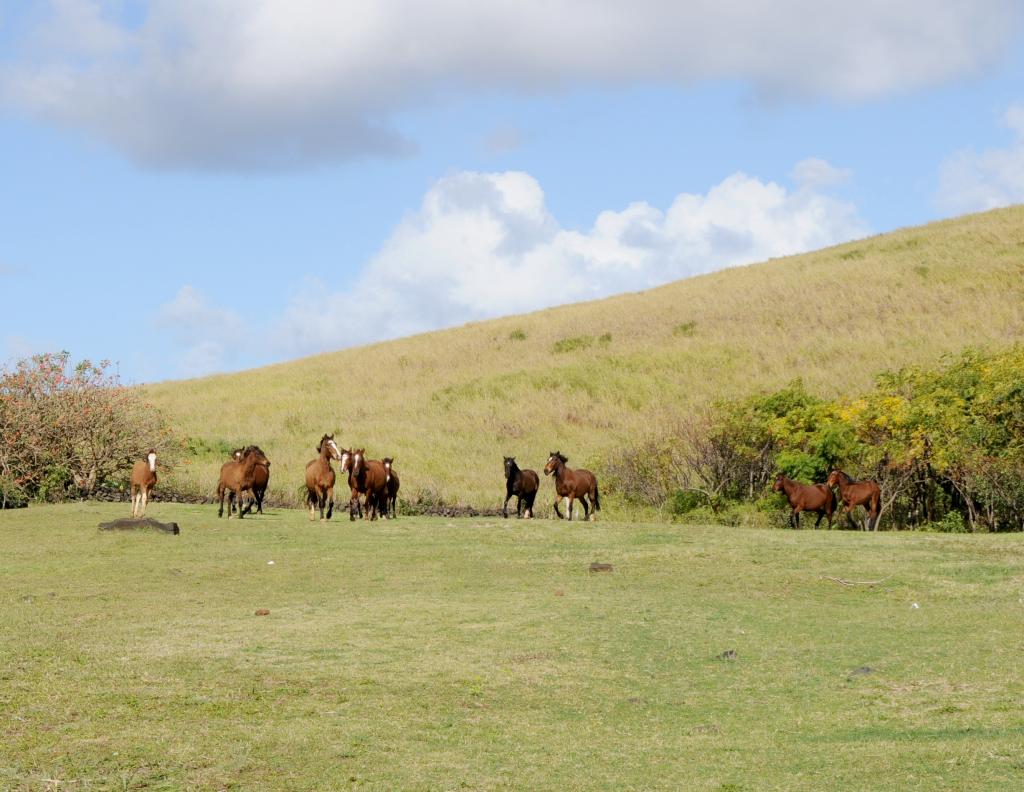
A herd of horses was deeply puzzled by the eclipse. They stampeded, missing our tripods—thank goodness.
| 2010-07-11 21:14 UTC |
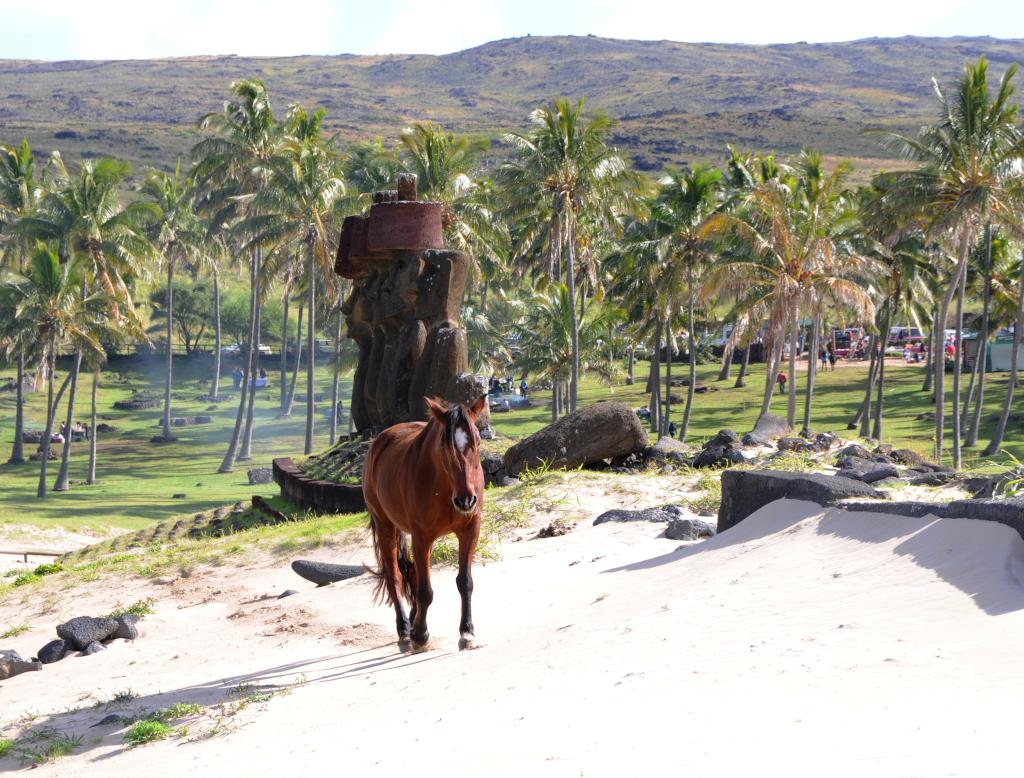
Dang, I heard there's a stampede going on around here. Something about a serpent eating the Sun. Anybody know where it is? I love stampedes.
|
by John Walker July 20th, 2010 |
|
This document is in the public domain.