• Home
  • Articles
    • Instrument Pedagogy
    • Concert Band
    • Beginning Band
    • Theory & More
    • Motivation
    • Recruiting & Retention
    • Band Director Jobs
    • Collaborative Posts
    • Seasonal
  • Resources
    • Beginning Theory
      • Aural Skills
      • Musical Symbols & Terms
      • Note Names
      • Rhythm
    • Books for Band Directors
    • Brass
    • The Garner Ensemble Project – Rhythmic Ensembles
      • The Garner Ensemble Project – Set 2 (2021)
    • Instrument Overhauls
    • KHS America/Jupiter
    • Method Books
    • Music Stores
    • Percussion
    • Travel – Green Light
    • Woodwind Resources
  • Newsletter
  • Distance Learning
  • Freebies
  • Shop
  • Nav Social Menu

    • Bloglovin
    • Facebook
    • Instagram
    • Pinterest
    • Twitter
    • YouTube

Band Directors Talk Shop

However, the phrase takes on a much heavier significance in the realm of personal relationships. When a partner forgets an anniversary, a friend breaks a confidence, or a parent speaks harshly, "es culpa mía" becomes a bridge to repair trust. Psychologists argue that sincere apologies are among the most effective tools for relational healing, but they require the speaker to resist the natural human urge for self-protection. To say "es culpa mía" is to voluntarily lower one’s defenses, to accept vulnerability, and to offer the injured party validation. Without this admission, the injured party remains trapped in a cycle of questioning their own feelings; with it, they receive the gift of being heard. In this sense, the phrase is not a sign of weakness but of relational strength.

In conclusion, "es culpa mía" is a phrase of deceptive simplicity that reveals the architecture of human character. It can be a social lubricant, a relational healer, a psychological trap, or a philosophical declaration of freedom. The difference lies in context, intention, and self-knowledge. To wield this phrase wisely is to walk a tightrope: avoiding the chasm of self-abnegation on one side and the swamp of defensiveness on the other. When spoken with sincerity and precision, "es culpa mía" is not an admission of defeat. It is a declaration of integrity—a willingness to look clearly at one’s own actions, to make amends, and to grow. And in that sense, accepting fault may be one of the most powerful things a person can ever do.

At its most superficial level, "es culpa mía" is a linguistic mechanism for acknowledging a mistake. In everyday life, it might follow a broken vase, a missed appointment, or a miscalculated turn while driving. In these trivial contexts, the phrase serves a social function: it disarms conflict, signals honesty, and prevents the escalation of blame into argument. Without this admission, minor errors can fester into resentment. Thus, even in its lightest form, "es culpa mía" lubricates the gears of social cooperation, demonstrating that the speaker values harmony over ego.

Primary Sidebar

Sign up here for our newsletter


SEARCH ANY TOPIC HERE

Categories

es culpa mia
es culpa mia
es culpa mia
new printables
favorite downloads
es culpa mia

Recent Posts

  • # Bbwdraw .com
  • #02tvmoviesseries.com/
  • #1 Song In 1997
  • #2 Emu Os Com
  • #90 Middle Class Biopic

About Band Directors Talk Shop

es culpa mia

Es — Culpa Mia High Quality

However, the phrase takes on a much heavier significance in the realm of personal relationships. When a partner forgets an anniversary, a friend breaks a confidence, or a parent speaks harshly, "es culpa mía" becomes a bridge to repair trust. Psychologists argue that sincere apologies are among the most effective tools for relational healing, but they require the speaker to resist the natural human urge for self-protection. To say "es culpa mía" is to voluntarily lower one’s defenses, to accept vulnerability, and to offer the injured party validation. Without this admission, the injured party remains trapped in a cycle of questioning their own feelings; with it, they receive the gift of being heard. In this sense, the phrase is not a sign of weakness but of relational strength.

In conclusion, "es culpa mía" is a phrase of deceptive simplicity that reveals the architecture of human character. It can be a social lubricant, a relational healer, a psychological trap, or a philosophical declaration of freedom. The difference lies in context, intention, and self-knowledge. To wield this phrase wisely is to walk a tightrope: avoiding the chasm of self-abnegation on one side and the swamp of defensiveness on the other. When spoken with sincerity and precision, "es culpa mía" is not an admission of defeat. It is a declaration of integrity—a willingness to look clearly at one’s own actions, to make amends, and to grow. And in that sense, accepting fault may be one of the most powerful things a person can ever do. es culpa mia

At its most superficial level, "es culpa mía" is a linguistic mechanism for acknowledging a mistake. In everyday life, it might follow a broken vase, a missed appointment, or a miscalculated turn while driving. In these trivial contexts, the phrase serves a social function: it disarms conflict, signals honesty, and prevents the escalation of blame into argument. Without this admission, minor errors can fester into resentment. Thus, even in its lightest form, "es culpa mía" lubricates the gears of social cooperation, demonstrating that the speaker values harmony over ego. However, the phrase takes on a much heavier
let’s connect

  • Bloglovin
  • Facebook
  • Instagram
  • Pinterest
  • YouTube

Featured Articles

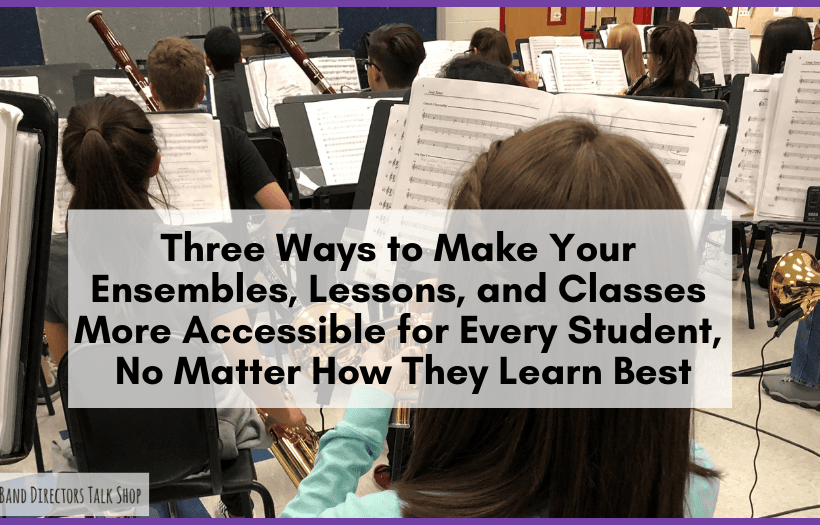
Three Ways to Make Your Ensembles, Lessons, and Classes More Accessible for Every Student, No Matter How They Learn Best

Three Ways to Make Your Ensembles, Lessons, and Classes More Accessible for Every Student, No Matter How They Learn Best

es culpa mia

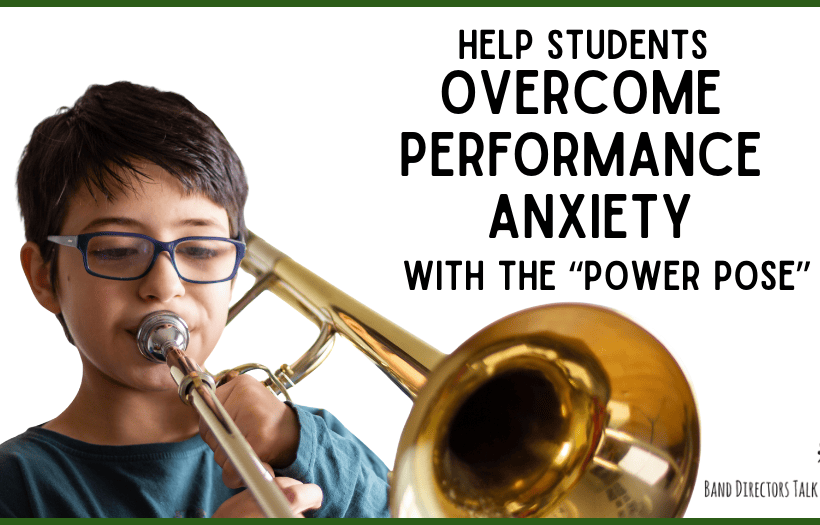
A Second Technique to Help Students Overcome Performance Anxiety: Power Pose

COPYRIGHT © 2026 BAND DIRECTORS TALK SHOP, LLC · Website Design By Jumping Jax Designs

© 2026 Pacific Epic Palette

es culpa mia
Rhythm Exercises