Высокая скорость
Никаких задержек — отправка и приём сообщений ботом в WhatsApp* за 1 секунду.


Подключите чат-ботов к WhatsApp Business API. Автоматизируйте коммуникацию, отправляйте рассылки и получайте платежи прямо в чате.
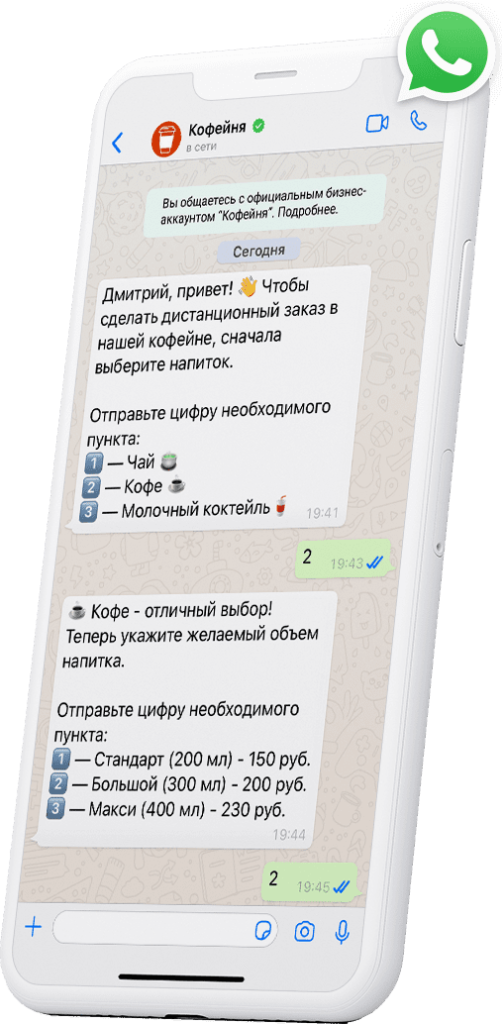


Обслуживайте заказчиков и продавайте через самый популярный мессенджер в России вместе с BotHelp.

Получив от клиента номер телефона, продолжите общение в мессенджере. Увеличивайте конверсию с рекламы через прямые продажи в чатах.

Отвечайте на типовые вопросы автоматически и экономьте время на операционных задачах. Прогревайте холодную аудиторию рассылками с выгодными предложениями. Сегментируйте трафик по нужным вам признакам.

Настраивайте автоматическую рассылку сообщений в чате и получайте заявки прямо в WhatsApp*. Используйте интеграцию с CRM для формирования базы постоянных клиентов.


Создать чат-бота в WhatsApp* — посильная задача даже для начинающего маркетолога и технического специалиста. С BotHelp для этого не потребуется знание программирования. На выходе вы получите мощный маркетинговый инструмент, работающий как часы.
Никаких задержек — отправка и приём сообщений ботом в WhatsApp* за 1 секунду.

Отправка массовых рассылок в мессенджере по базе без риска блокировки.

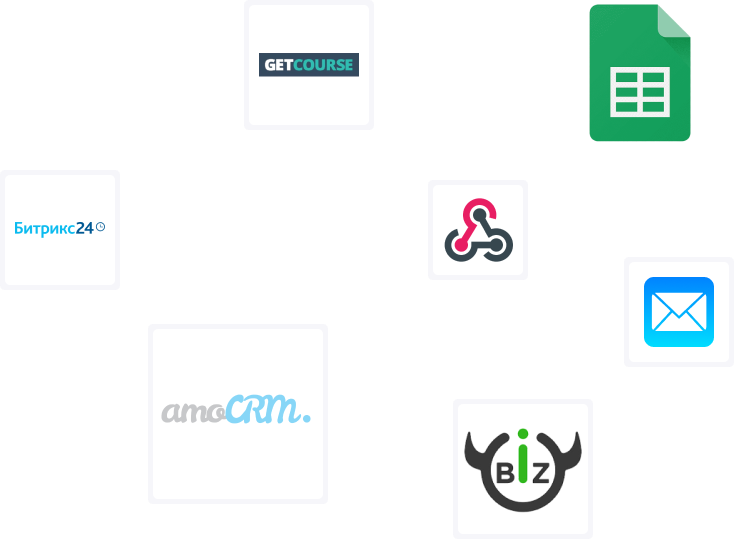
Собирайте регистрации, результаты опросов и заказы в единойсистеме. Интеграция с ЮMoney, Робокассой, Prodamus, amoCRM.

Используйте возможности мессенджер-маркетинга для развития бизнеса. Кейсы клиентов подтверждают: с чат-ботами конверсия вырастает до 70%.

Анализируйте источники трафика, конверсии и отказы благодаря встроенной системе аналитики.

Многопользовательский режим в BotHelp позволяет отвечать клиентам в разных чатах в одном окне.

Всё, что нужно для работы с ботами и рассылками WhatsApp*, на одной платформе.

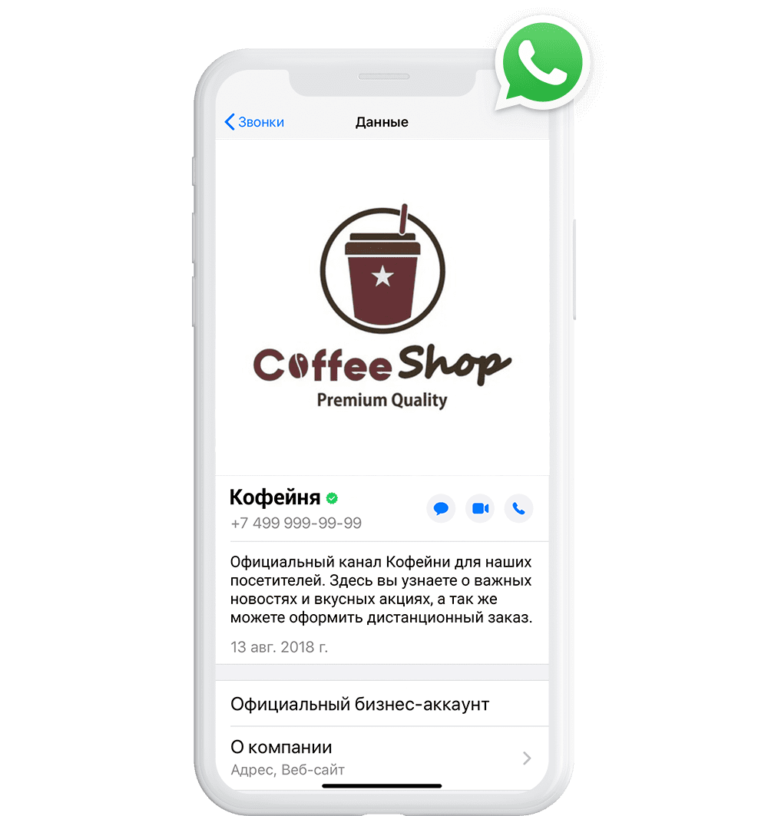
Преимущества WhatsApp* по сравнению с другими мессенджерами:
•
Широкий охват. 67% россиян старше 12 лет заходят в мессенджер
ежедневно.
• Платёжеспособная аудитория. WhatsApp* предпочитают
люди в возрасте 25–54 лет.
• Открываемость сообщений от 80% из-за
отсутствия новостных каналов и чатов.
• Возможность писать клиентам
первыми благодаря WhatsApp Business API.
С чат-ботами
коммуникация в мессенджере проходит автоматически, непрерывно, без
задержек. Умный помощник возьмёт на себя консультирование по вопросам
бизнеса и привлечёт клиента за вас.
Сделать бота для WhatsApp* не проблема, но даже это не обязательно.
Возможно, решение для вашего бизнеса уже находится в нашей базе
шаблонов. Запускайте готовые сценарии, не требующие дополнительных настроек.
Среди
готовых ботов есть всё для быстрого запуска: проведение вебинаров,
розыгрышей, выдача лид-магнитов, каталог товаров, FAQ с ответами на
вопросы.
Ultimately, the decision of which method to use depends on the user’s needs. The first method, using Chrome’s internal settings, offers surgical precision, perfect for those who want to block a spammy news site but still receive calendar reminders from a work portal. The second method, using Windows 11’s system settings, is a digital hammer—ideal for users who want to enter a state of deep work without any possibility of browser-generated interruption. Both methods are easily reversible; a user can re-enable notifications just as quickly as they were disabled.
In conclusion, turning off Chrome notifications on Windows 11 is a simple yet profoundly effective skill in the battle against digital distraction. Whether one chooses to refine permissions through Chrome’s site settings or to cut the cord entirely via the Windows notification panel, the steps take less than a minute to execute. By silencing the silent buzz, users are not just turning off a feature; they are choosing intention over interruption, focus over frenzy, and quiet control over chaotic noise. In a world engineered to capture our attention, knowing how to turn off a notification is a small act of digital liberation. how to turn off chrome notifications windows 11
In the modern digital workspace, the line between productivity and constant distraction is often blurred by a single, insistent buzz. Among the primary culprits on a Windows 11 machine is the Google Chrome browser. While designed to be helpful—alerting users to new emails, chat messages, or sale prices—these notifications often devolve into a chaotic stream of interruptions. For many users, the relentless pop-ups from the lower-right corner of the screen are not features but nuisances. Fortunately, turning off Chrome notifications in Windows 11 is a straightforward process that can be accomplished through two distinct methods: the browser’s internal settings or the operating system’s native notification center. Mastering this small but significant adjustment is an act of reclaiming one’s digital sanity and focus. Ultimately, the decision of which method to use
However, for those seeking a more holistic solution that silences Chrome notifications at the system level, Windows 11 provides an equally effective alternative. This method is particularly useful for users who find Chrome’s internal settings labyrinthine or who prefer to manage all notification sources from a single, unified interface. The process begins by opening the Windows 11 Settings app, which can be accessed by pressing Win + I on the keyboard or by right-clicking the Start button. From there, navigating to "System" and then "Notifications" brings the user to the command center for all alerts. Scrolling down the list of apps, the user will find "Google Chrome." Simply clicking the toggle switch next to Chrome disables all notifications from the browser instantly. Alternatively, clicking on the Chrome entry itself allows for more nuanced adjustments, such as turning off notification banners or silencing the accompanying sound while keeping the alerts in a notification center. This system-level approach is often the quickest and most definitive method for users who are tired of the constant visual clutter. Both methods are easily reversible; a user can
The first, and most direct, method involves delving into Chrome’s own privacy and security settings. This approach is ideal for users who wish to silence notifications only within the browser while leaving other Windows apps unaffected. To begin, the user opens Chrome and clicks on the three vertical dots—the "Customize and control Google Chrome" button—located in the top-right corner. From there, navigating to "Settings," then "Privacy and security," and finally "Site Settings" reveals a list of permissions. Under the "Permissions" section, clicking "Notifications" opens a control panel. Here, the user has two powerful options: they can either toggle off the global setting "Sites can ask to send notifications" to block all future requests, or they can manually manage a list of specific sites that have already been granted permission, removing any unwanted senders. This method is precise, allowing for granular control over which digital entities are allowed to interrupt the workflow.

Консультируйте клиентов и продавайте через самый популярный мессенджер в России вместе с BotHelp.