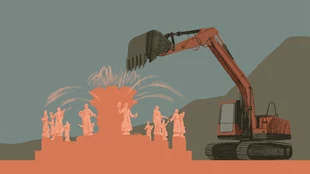
Подчинение территории: как Советский Союз и его наследница Россия обращаются с ресурсами, людьми и природой
These were not delicate parade floats. Early carretas were massive, utilitarian beasts. Wheels were solid wooden disks cut from a single slice of a huge tree trunk—often guácimo, cedar, or cristóbal. Because iron was scarce and expensive, everything was held together with wooden pegs and rawhide. The axle and wheel were made from different types of wood, chosen specifically to create a necessary friction. This friction was the secret to navigating steep, muddy slopes without brakes. And it produced that legendary sound. Ask any elder Costa Rican campesino (farmer) about the carreta , and they will not describe its cargo capacity. They will sing for you the song of its wheel.
However, the craft has adapted. The same families who built carretas now build miniature replicas that are exported worldwide. They also produce “coffee carts” for chic cafes and wedding chariots. The UNESCO designation helped spark a revival, and the annual (Oxcart Driver’s Day) parade in San Antonio de Escazú still sees hundreds of brilliantly painted carts rolling through the streets, pulled by garlanded oxen. The Future on Wooden Wheels La Carreta no longer hauls coffee down a mountain. But it still moves something essential: memory. In a nation hurtling toward a high-tech, eco-tourism future, the oxcart is the anchor in the past. It is the artifact you see in the corner of a grandmother’s garden, overflowing with flowers. It is the logo on the national tourism board. It is the centerpiece of the Museo de Artes y Tradiciones Populares in San José. la carreta
The “cric-cric” is a unique, repetitive, almost amphibian croak. The poet Isaac Felipe Azofeifa called it “the song of the abyss” and “the ballad of the homeland.” The reason is physics and folklore combined. As the wooden axle rotated against the ungreased wooden hub, the natural resins and humidity produced a rhythmic squeal that could be heard from miles away. Legend says that the oxen even learned to walk in time with the sound. These were not delicate parade floats