The future of AI.

AI Generator

Generate text, image, code, chat and even more with

Advanced Dashboard

Access to valuable user insight, analytics and activity.

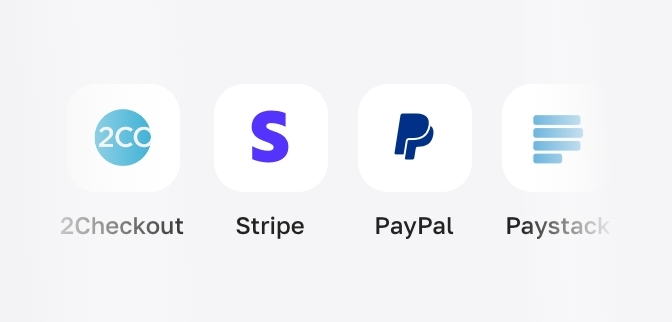
Payment Gateways

Securely process credit card, debit card, or other methods.

Multi-Lingual

Ability to understand and generate content in different languages

Custom Templates

Add unlimited number of custom prompts for your customers.

Support Platform

Access and manage your support tickets from your dashboard.

Portability Analyzer [better] <Validated>

In a world where hardware evolves, operating systems rise and fall, and customers demand seamless experiences across devices, portability is not merely a technical virtue—it is a business imperative. And the portability analyzer is the compass that guides developers through the ever-shifting landscape of platforms.

Enter the (PA). This class of static and dynamic analysis tools is designed to systematically identify, diagnose, and quantify the non-portable aspects of a software codebase. By surfacing hidden dependencies on specific platforms, a PA empowers developers to refactor code for cross-platform resilience, reduce technical debt, and future-proof their applications. 2. What is a Portability Analyzer? A Portability Analyzer is a software tool that examines source code, intermediate representations (e.g., LLVM IR), or binary artifacts to detect constructs that may behave differently or fail when executed on a target platform different from the development environment.

1. Introduction: The Challenge of Heterogeneity In the idealised world of software development, code is written once and runs everywhere—on any operating system, processor architecture, cloud platform, or device form factor. This promise, often associated with Java’s "Write Once, Run Anywhere" (WORA) or the portability layers of C/C++, is notoriously difficult to achieve in practice.

The reality is a fragmented landscape of compilers, system libraries, endianness variations, word sizes (32-bit vs. 64-bit), operating system APIs (POSIX vs. Windows vs. z/OS), and hardware accelerators (GPUs, TPUs, FPGAs). A program that compiles flawlessly on an x86 Ubuntu machine may crash, produce corrupted output, or fail to compile entirely on an ARM-based macOS, a PowerPC AIX server, or a constrained embedded RTOS.
Digital Agencies

Product Designers

Enterpreneurs

Copywriters

Digital Marketers

Developers

In a world where hardware evolves, operating systems rise and fall, and customers demand seamless experiences across devices, portability is not merely a technical virtue—it is a business imperative. And the portability analyzer is the compass that guides developers through the ever-shifting landscape of platforms.

Enter the (PA). This class of static and dynamic analysis tools is designed to systematically identify, diagnose, and quantify the non-portable aspects of a software codebase. By surfacing hidden dependencies on specific platforms, a PA empowers developers to refactor code for cross-platform resilience, reduce technical debt, and future-proof their applications. 2. What is a Portability Analyzer? A Portability Analyzer is a software tool that examines source code, intermediate representations (e.g., LLVM IR), or binary artifacts to detect constructs that may behave differently or fail when executed on a target platform different from the development environment.

1. Introduction: The Challenge of Heterogeneity In the idealised world of software development, code is written once and runs everywhere—on any operating system, processor architecture, cloud platform, or device form factor. This promise, often associated with Java’s "Write Once, Run Anywhere" (WORA) or the portability layers of C/C++, is notoriously difficult to achieve in practice.

The reality is a fragmented landscape of compilers, system libraries, endianness variations, word sizes (32-bit vs. 64-bit), operating system APIs (POSIX vs. Windows vs. z/OS), and hardware accelerators (GPUs, TPUs, FPGAs). A program that compiles flawlessly on an x86 Ubuntu machine may crash, produce corrupted output, or fail to compile entirely on an ARM-based macOS, a PowerPC AIX server, or a constrained embedded RTOS.

Magic Tools.

MagicAI has all the tools you need to create and manage your SaaS platform.

Advanced Dashboard

Advanced Dashboard

Track a wide range of data points, including user traffic and sales.

Payment Gateways

Payment Gateways

Securely process credit card or other electronic payment methods.

Multilingual

Multilingual

Ability to understand and generate content in different languages.

Affiliate System

Affiliate System

Ability to invite friends, and earn commission from their first purchase.

Easy Export

Easy Export

Export generated content as plain text, PDF, Word or HTML easily.

Support Platform

Support Platform

Access and mage support tickets from your dashboard.

So, how does it work?

1

Simply explain what your content is about and adjust settings according to your needs.

2

Simply input some basic information or keywords about your brand or product, and let our AI algorithms do the rest.

3

View, edit or export your result with a few clicks. And you’re done!

Want to see? Join Magic
Testimonials Trustpilot

Trusted by millions.

Peline Jan

Peline Jan

Entrepreneur

Tom Daniel

Tom Daniel

Writer

Eric Sanchez

Eric Sanchez

UX Designer

Envato Envato Envato Envato Envato

Flexible Pricing.

Safe Payment: Use Stripe or Credit Card.

FAQ Help Center

Have a question?

Our support team will get assistance from AI-powered suggestions, making it quicker than ever to handle support requests.