1. Standard Oriya Keyboard Layout
High resolution image suitable for printing.
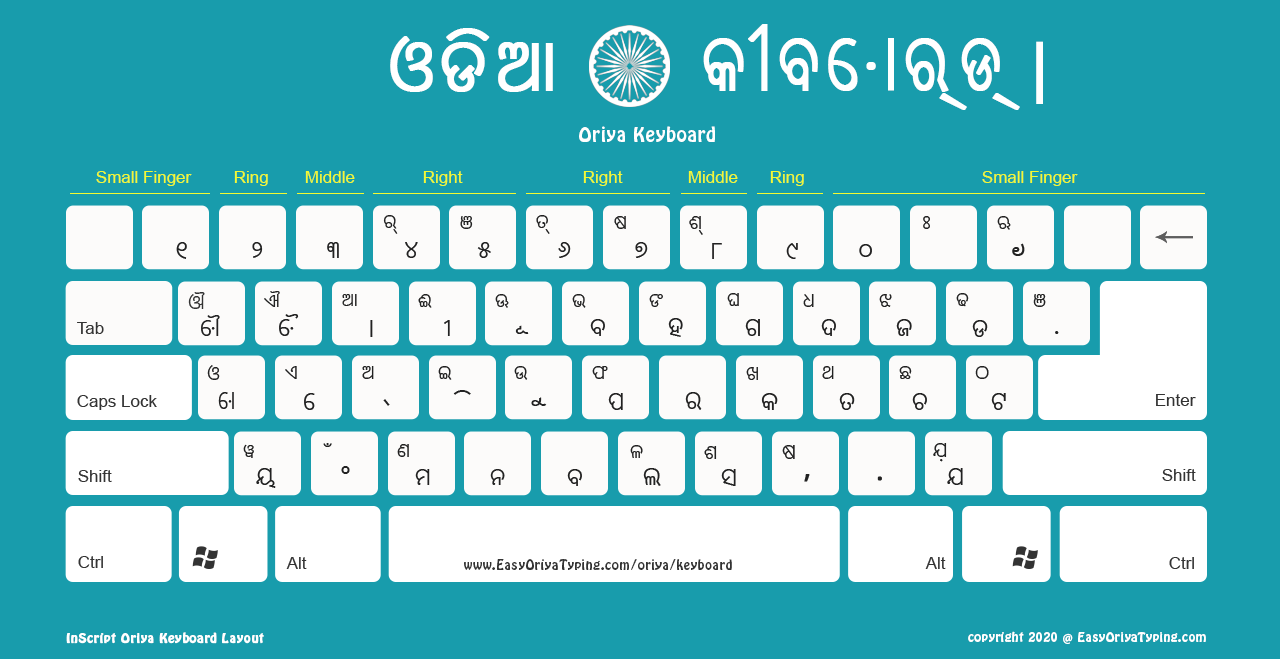
We have five different Oriya keyboard layouts for you to download on your computer. Once downloaded — you can use it as a reference to type in Oriya either on Word document or any other text editor. You also need to download the matching Oriya fonts.
High resolution image suitable for printing.
High resolution image suitable for printing.
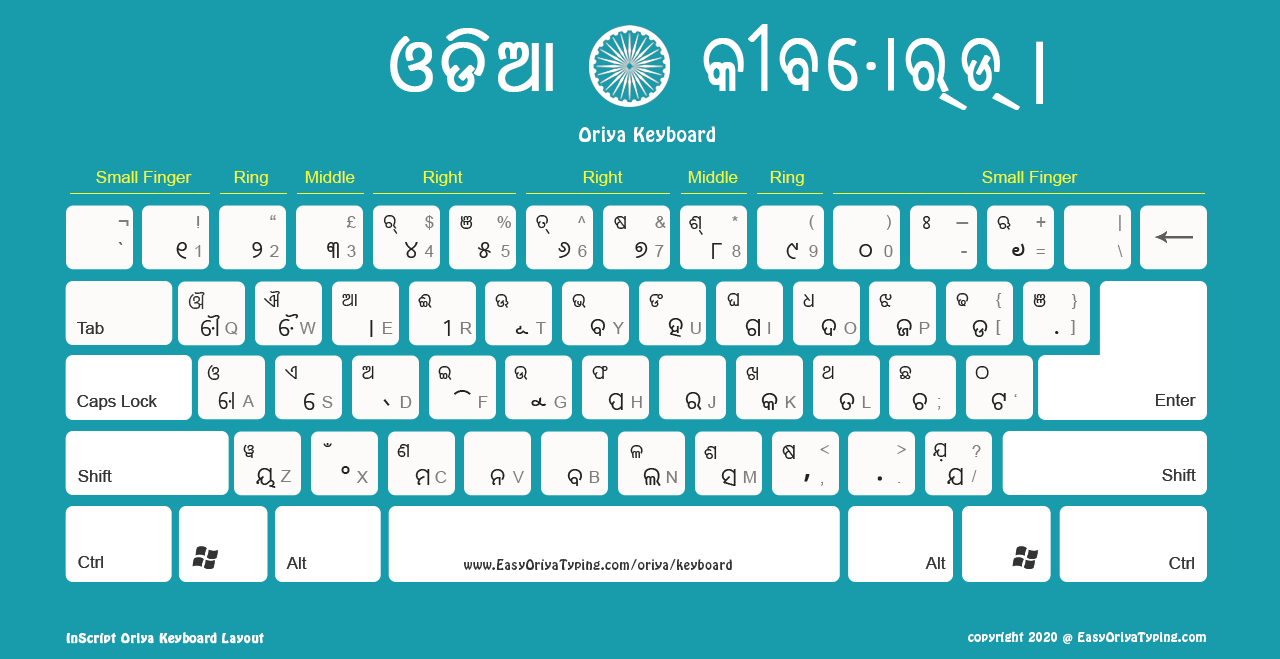
High resolution image suitable for printing.
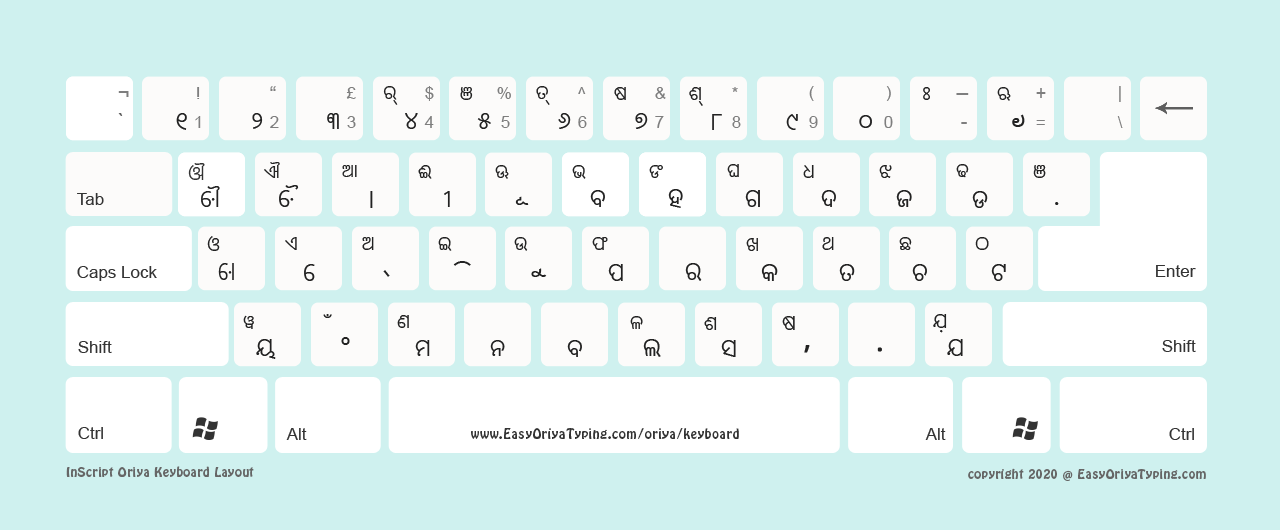
High resolution image suitable for printing.
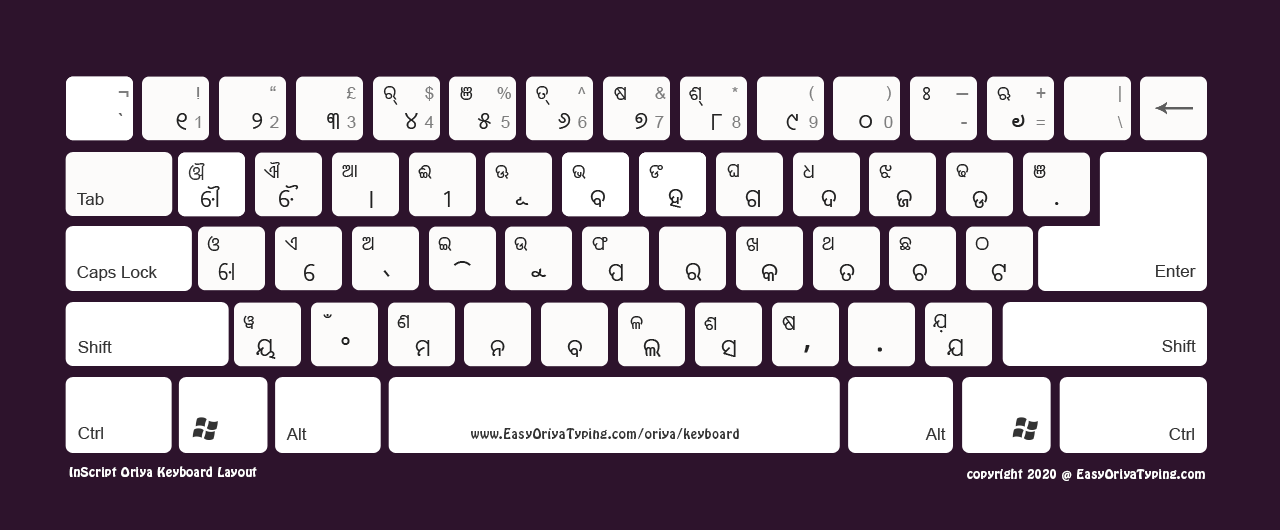
High resolution image suitable for printing.
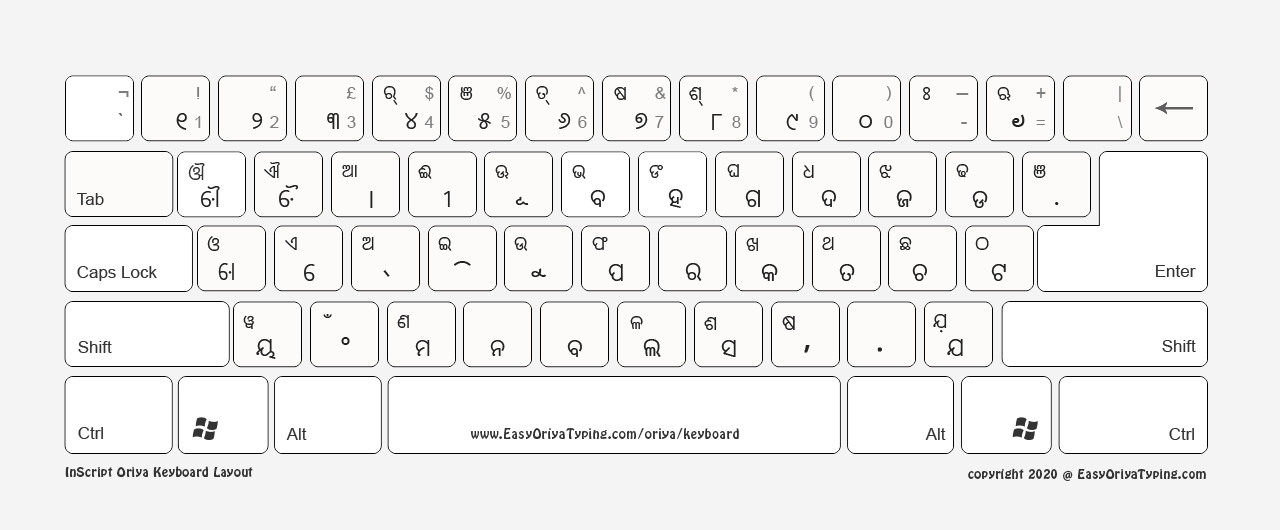
Getting started with Oriya typing is simple! Follow our step-by-step process.
Install Odia font — head over to our extensive fonts repository and install your preferred typeface.
Download your ideal keyboard image through this simple downloading process:
Browse and click on your preferred keyboard style
Right-click anywhere on the enlarged image
Choose "Save image as..." and pick your storage location
Prepare your writing space by launching your go-to text application and activating the Oriya font you installed in step one.
Begin your Oriya writing journey! Display your keyboard reference image alongside your text editor for seamless typing guidance.
Space-saving tip: Working on a compact setup? Our high-resolution keyboards deliver stunning print quality — create a physical reference that's always within reach!
Ensures traditional accuracy — each layout preserves authentic Oriya script conventions and cultural writing traditions.
Offers complete flexibility — choose from multiple styles and backgrounds to match your personal or professional preferences.
Includes unrestricted usage rights — download, print, share, and modify for any purpose without limitations or hidden costs.
Distinguishing pregnancy rhinitis from a viral cold or seasonal allergies is crucial for proper management, especially in the second trimester when fetal development is rapid. Unlike a cold, pregnancy rhinitis lacks other systemic symptoms such as fever, sore throat, body aches, or productive cough. Unlike allergies, it is not accompanied by itchy eyes or sneezing fits triggered by pollen or pet dander. The hallmark of pregnancy rhinitis is its persistence—lasting for six weeks or more without change—and its peculiar timing. Many women report that the congestion worsens at night or when lying down, due to increased venous return and blood flow to the head, and often alternates sides (the nasal cycle). If symptoms are seasonal or linked to a specific trigger, an allergy is more likely; if they began around the start of the second trimester and persist, it is likely hormonal.
For many women, the second trimester of pregnancy is often hailed as the "golden period." The debilitating nausea and fatigue of the first trimester typically subside, while the physical discomfort of the third trimester has yet to arrive. However, this period introduces a lesser-known but surprisingly common complaint: persistent nasal congestion. Often called "pregnancy rhinitis," this stuffy nose is not a cold or an allergy, but a physiological condition directly triggered by the pregnant body’s internal environment. While usually not dangerous, it can significantly affect sleep, mood, and overall quality of life during a time that is otherwise physically liberating. stuffy nose during pregnancy second trimester
Finally, it is important to recognize when a stuffy nose in the second trimester warrants medical attention. While uncomfortable, pregnancy rhinitis does not cause fever, facial pain, or thick green/yellow discharge. The appearance of these symptoms suggests a secondary bacterial sinus infection, which may require antibiotics. Additionally, if the congestion is accompanied by new-onset snoring that involves gasping or choking (possible sleep apnea), or if it exacerbates asthma, a physician should be consulted. Reassuringly, for the vast majority of women, pregnancy rhinitis resolves completely within two weeks after delivery, as hormone levels return to baseline. Distinguishing pregnancy rhinitis from a viral cold or
 Sambhu Raj Singh ·