AVOTIGERTOUCH2
AVOLITES
discontinued

Tiger Touch II

ORDER CODE: AVOTIGERTOUCH2

Now boasting a 100% brighter screen, increased processing power, and faster graphics engine, the Tiger Touch II is the most specified Titan console.
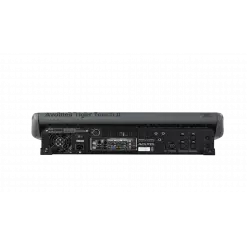
The Avolites Tiger Touch II represents the perfect combination of power and portability. This third-generation console is packed with enough power for complex shows, yet small and light enough to fly in standard hold luggage. The console features SMPTE timecode support and a redesigned button layout to match the entire Titan range.
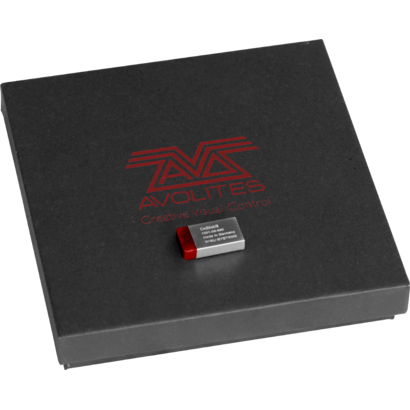
In order to update the console to version 12 of the Titan, it will be necessary to purchase and install a USB dongle called AVOKEY.
Serial 02006 - 03065
You need to order:
- AVOKEYINT 
- 1x5 way to USB-A Cable (spare part code 8000-6102)
Once you've received your AVOKEYINT and 1x5 way to USB-A Cable, you will be required to connect the USB-A Cable to the motherboard. This cable will provide an additional USB port for the AvoKey.
Click here to view the installation guide: https://www.avolites.com/Portals/0/Downloads/Manuals/AvoKey/8000-6102 TT2-2-3K AVOKEY upgrade with 1808-0028.pdf
 
Serial 03066 - 4020

You need to order only AVOKEYINT
Once you've received your AVOKEYINT, you will be required to connect this directly to the available (Blue) USB port inside the console (on the motherboard).
Click here to view the installation guide: https://www.avolites.com/Portals/0/Downloads/Manuals/AvoKey/8000-6101 TT2 AVOKEY no cable.pdf
 
Serial 04021 - 05001
You need to order only AVOKEYINT
Once you've received your AVOKEYINT, you will be required to connect this directly to the available (Red) USB port inside the console (on the motherboard).
 
Serial 5001 and above include a factory fitted AvoKey.
Therefore, you do not need to purchase an AvoKey. the good the bad and the ugly dubbed

Main features:

  • 10 pageable playbacks, 60 pages.
  • 10 static playbacks - perfect for instant access.
  • 100% brighter 15.6" screen.
  • Three metal shaft optical encoders offering luxurious precision.
  • MIDI support for MIDI Notes and MIDI Timecode.
  • Built in UPS.
  • 4 physical DMX outputs, up to 16 over ArtNet or sACN - 8192 channels.
  • Supports Titan Network Processors for DMX expansion up to 64 universes.
  • Trigger inputs.
  • Dual Ethernet port.
  • Expand your control surface through wings, DMX In or MIDI.
  • Dedicated cue stack control.
  • Support for external touch screen.
  • 10 programmable executor buttons.
  • Conveniently accessible front loading USB.
  • Dimensions (WxHxP): 675x435x147 mm (console only); 750x620x300 mm (console in flight case).
  • Weight: 15.2 kg (console only); 29.40 kg (console in flight case); 31.70 kg (console packed in flight case).
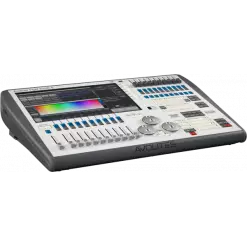
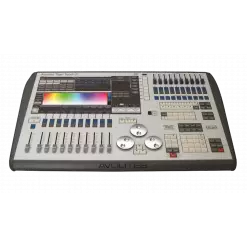
PHOTO GALLERY

Technical specifications

Versions

Accessories & Related Products

AVOKEYINT
AVOKEYINT
(Optional)
AvoKey internal (red)
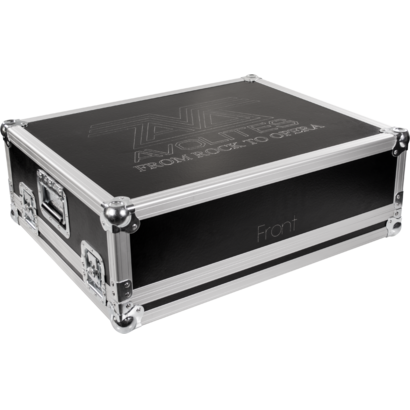
AVOTT2FC
AVOTT2FC
(Optional)
Avolites TigerTouch II Case

The Good The Bad And The Ugly Dubbed 'link' -

But here’s the twist: almost none of the actors on screen spoke the words you hear.

And let’s give credit to the voice actors. Bill Collins (dubbing Tuco in the U.S. version) captures Wallach’s manic energy perfectly. The exaggerated inflections, the comic timing—it’s not realistic, but it’s unforgettable. Now for the warts. Watch any close-up dialogue scene, and you’ll see it: lips moving one way, words coming another. Sometimes the delay is a split second. Sometimes it feels like a bad kung fu movie.

So next time you watch Tuco run through that cemetery, don’t focus on the mismatched lips. Listen to the music. Listen to the rhythm of the words. And smile.

Every single voice you hear was looped in later. Every footstep, every gunshot, every jingle of a spur. And somehow… it works.

Because in the world of spaghetti westerns, sometimes the dubbing is the secret sauce. What’s your take on the dub? Does it enhance the film or drive you crazy? Drop a comment below.

Sergio Leone’s 1966 masterpiece is a landmark of cinema—not just for its visual storytelling, but for its radical, messy, brilliant approach to sound. Let’s break down the , the bad , and the ugly of this legendary film’s English dub. The Good: An Audio That Adds Character Most purists turn up their noses at dubbing. But The Good, the Bad and the Ugly wasn’t made like a normal movie. Leone shot it silent, with actors speaking their native languages on set: Clint Eastwood (English), Eli Wallach (English and some Spanish), and Lee Van Cleef (English). Extras spoke Italian, German, Spanish—whatever was handy.

Despite its flaws, the English dub of The Good, the Bad and the Ugly is a vital part of its identity. It’s not a mistake—it’s a feature. The film exists in a strange, pan-European dream-space where realism takes a backseat to style. Leone wasn’t making a documentary about the Civil War. He was making a myth.

Info Request

But here’s the twist: almost none of the actors on screen spoke the words you hear.

And let’s give credit to the voice actors. Bill Collins (dubbing Tuco in the U.S. version) captures Wallach’s manic energy perfectly. The exaggerated inflections, the comic timing—it’s not realistic, but it’s unforgettable. Now for the warts. Watch any close-up dialogue scene, and you’ll see it: lips moving one way, words coming another. Sometimes the delay is a split second. Sometimes it feels like a bad kung fu movie.

So next time you watch Tuco run through that cemetery, don’t focus on the mismatched lips. Listen to the music. Listen to the rhythm of the words. And smile.

Every single voice you hear was looped in later. Every footstep, every gunshot, every jingle of a spur. And somehow… it works.

Because in the world of spaghetti westerns, sometimes the dubbing is the secret sauce. What’s your take on the dub? Does it enhance the film or drive you crazy? Drop a comment below.

Sergio Leone’s 1966 masterpiece is a landmark of cinema—not just for its visual storytelling, but for its radical, messy, brilliant approach to sound. Let’s break down the , the bad , and the ugly of this legendary film’s English dub. The Good: An Audio That Adds Character Most purists turn up their noses at dubbing. But The Good, the Bad and the Ugly wasn’t made like a normal movie. Leone shot it silent, with actors speaking their native languages on set: Clint Eastwood (English), Eli Wallach (English and some Spanish), and Lee Van Cleef (English). Extras spoke Italian, German, Spanish—whatever was handy.

Despite its flaws, the English dub of The Good, the Bad and the Ugly is a vital part of its identity. It’s not a mistake—it’s a feature. The film exists in a strange, pan-European dream-space where realism takes a backseat to style. Leone wasn’t making a documentary about the Civil War. He was making a myth.


Subscribe to our Newsletter

Loading...