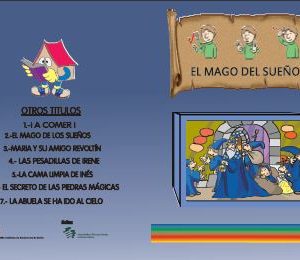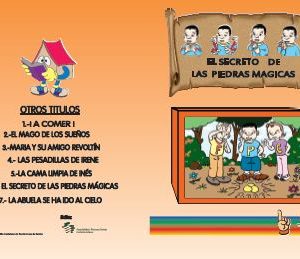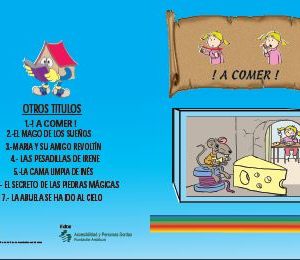
Abierto el plazo de matriculación Cursos de Lengua de Signos Española: Nivel A1+A2, B1 y B2, con 5 o 6 créditos ETCS reconocidos por la UGR y homologados para las oposiciones de educación

The Grudge Kayako __hot__ 100%

The genius of Kayako lies in the rules of the Ju-On curse. It is not a haunting; it is a contagion. When someone dies in the grip of a powerful rage, a “grudge” is born. It lingers in the place of death, and anyone who encounters it becomes infected, doomed to be killed by the ghostly inhabitants, only to rise themselves and perpetuate the curse.

Many horror villains are given elaborate, sympathetic backstories designed to make the audience question who the real monster is. Kayako’s origin, however, is presented less as a justification and more as a raw, traumatic event. She was a loving wife and mother, isolated and consumed by an unrequited, obsessive love for her college professor, Takeo Saeki. Upon discovering her diary detailing these feelings, her husband, Takeo, flew into a jealous rage, murdering her, their young son Toshio, and the family cat, before finally killing himself. the grudge kayako

Ultimately, the essay’s most useful conclusion is that Kayako terrifies us because she strips death of all meaning. In most narratives, death has a purpose: justice, sacrifice, closure. Kayako offers none. She kills children, elderly people, innocent helpers, and even those who show her compassion. Her grudge does not discriminate. It is a raw, senseless force of nature, like gravity or radiation. The genius of Kayako lies in the rules of the Ju-On curse

This makes Kayako a uniquely modern metaphor. She represents how trauma, abuse, and violence are cyclical and contagious. The person who steps into the cursed house is not a “victim” in the traditional slasher sense; they are a carrier. Their terror and death feed the grudge, making it stronger. Kayako does not need to chase her victims across town; they will inevitably come to her, or the curse will follow them home. She is the consequence of a single, brutal act of domestic violence that has become an eternal, replicating plague. It lingers in the place of death, and

Most disturbing is her face. Devoid of expression, it is a mask of pure, unreachable sorrow. She does not smile, snarl, or glare. Her open, screaming mouth is fixed in a permanent, silent wail. This absence of expression is more terrifying than any snarl because it denies the victim any psychological interaction. You cannot reason with Kayako, appease her, or make her remember her former life. She is beyond humanity, beyond emotion—she is simply an action: the act of killing and cursing, repeated forever.


Leer más
Curso de Lengua de Signos Española Usuario Básico A1+A2 UGR
Curso de Lengua de Signos Española Usuario Independiente B1 UGR
Curso de Lingüistica aplicada a la Lengua de Signos Española B2 UGR

the grudge kayako

the grudge kayako

The genius of Kayako lies in the rules of the Ju-On curse. It is not a haunting; it is a contagion. When someone dies in the grip of a powerful rage, a “grudge” is born. It lingers in the place of death, and anyone who encounters it becomes infected, doomed to be killed by the ghostly inhabitants, only to rise themselves and perpetuate the curse.

Many horror villains are given elaborate, sympathetic backstories designed to make the audience question who the real monster is. Kayako’s origin, however, is presented less as a justification and more as a raw, traumatic event. She was a loving wife and mother, isolated and consumed by an unrequited, obsessive love for her college professor, Takeo Saeki. Upon discovering her diary detailing these feelings, her husband, Takeo, flew into a jealous rage, murdering her, their young son Toshio, and the family cat, before finally killing himself.

Ultimately, the essay’s most useful conclusion is that Kayako terrifies us because she strips death of all meaning. In most narratives, death has a purpose: justice, sacrifice, closure. Kayako offers none. She kills children, elderly people, innocent helpers, and even those who show her compassion. Her grudge does not discriminate. It is a raw, senseless force of nature, like gravity or radiation.

This makes Kayako a uniquely modern metaphor. She represents how trauma, abuse, and violence are cyclical and contagious. The person who steps into the cursed house is not a “victim” in the traditional slasher sense; they are a carrier. Their terror and death feed the grudge, making it stronger. Kayako does not need to chase her victims across town; they will inevitably come to her, or the curse will follow them home. She is the consequence of a single, brutal act of domestic violence that has become an eternal, replicating plague.



Most disturbing is her face. Devoid of expression, it is a mask of pure, unreachable sorrow. She does not smile, snarl, or glare. Her open, screaming mouth is fixed in a permanent, silent wail. This absence of expression is more terrifying than any snarl because it denies the victim any psychological interaction. You cannot reason with Kayako, appease her, or make her remember her former life. She is beyond humanity, beyond emotion—she is simply an action: the act of killing and cursing, repeated forever.